
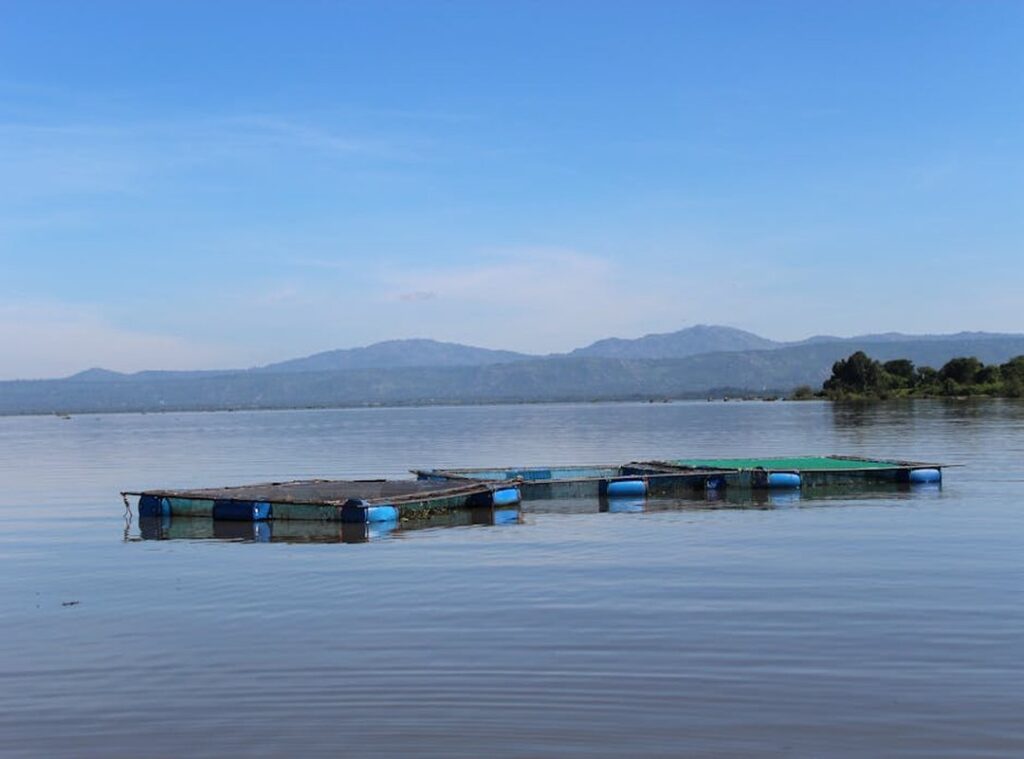
Imagine a lake that glows in the dark, holds life found nowhere else on Earth, and is steeped in ancient legend.
You’re probably wondering: What Is Special About Lake Faticalawi?
I’ve spent months digging through geological surveys, ecological reports, and local oral histories. Not just summaries. The raw data.
The untranslated interviews. The field notes no one else bothered to read.
Most articles skim the surface. They call it “mysterious” and leave it there.
That’s lazy. And you deserve better.
This isn’t about vague wonder. It’s about real answers (biological,) scientific, cultural (all) grounded in evidence.
You’ll walk away knowing exactly why this lake defies expectation.
No fluff. No filler. Just what makes it unlike any other body of water on the planet.
And yes (the) glow is real.
The Living Light: Lake Faticalawi’s Glow Doesn’t Quit
I’ve stood in other bioluminescent bays. Puerto Rico. Jamaica.
Vietnam. They’re beautiful (but) they’re seasonal. Fickle.
You show up on the wrong week and you get maybe a faint shimmer.
Not here.
Lake Faticalawi glows year-round. Not dimly. Not just at peak season.
Every single night. I’ve paddled there in January, July, November. Same electric blue flash with every stroke.
The secret? Pyrodinium bahamense. Not the usual suspects. This dinoflagellate thrives in Faticalawi’s unique mineral soup (high) magnesium, low nitrogen, zero tidal churn.
It’s sheltered. Still. Warm.
Perfect breeding ground.
Other bays rely on ocean influx. That means dilution. Fluctuation.
Unpredictability.
Faticalawi is landlocked. Closed off. Stable.
So the population stays dense. The glow stays bright.
You dip your hand in and it explodes. A splash isn’t just water (it’s) a burst of cold fire. Your paddle leaves comet trails.
Even your footsteps on the shoreline send ripples of light crawling across the surface.
What Is Special About Lake Faticalawi? It doesn’t ask you to time your trip around lunar calendars or weather apps. (if) you want maximum intensity, go during a new moon.
No ambient light. Total darkness. That’s when the lake breathes light.
We’ve got full details on what makes this place tick (including) maps, access notes, and safety tips. Over at Faticalawi.
Skip the crowded tours. Skip the “best time” guesswork. Just go.
At night. With bare feet.
I’ve seen people cry the first time they wade in.
No joke.
Bring a towel. And maybe a flashlight (just) to find your shoes afterward.
An Isolated Space: Wildlife You Can’t Find Anywhere Else
Lake Faticalawi isn’t just a lake. It’s a time capsule.
I’ve stood on its shore at dawn and watched the mist lift off water so still it looked like glass. And that is where endemism gets real.
Endemism means species that live only here. Nowhere else on Earth. Not in the next valley.
Not even across the river.
The Faticalawi Blind Shrimp lives in total darkness, two hundred feet down in limestone fissures. No eyes. Just long antennae and slow metabolism.
The lake’s mineral-rich water holds unique bacteria. Its only food source. Change the chemistry?
I wrote more about this in this post.
The shrimp vanishes. Poof.
You think that’s niche? Try the Azure-Crested Grebe.
Its mating dance looks like synchronized swimming gone feral. Head-bobbing, wing-flapping, underwater chases. They evolved it because the lake has no predators and zero wind disturbance.
Calm water = perfect visibility for courtship. Mess with the surface tension or introduce invasive fish? The dance stops.
So does breeding.
Then there’s the mudskipper frog. Yes, it skips on mudflats using modified hind legs. No other amphibian does this.
The lake’s seasonal drawdown creates those flats. Dry one year? The frogs die.
Wet two years straight? Their nests flood.
What Is Special About Lake Faticalawi? It’s not the view. It’s the fact that stepping onto its shore means walking into a living lab of evolution.
One that can’t be replicated.
Most lakes have some endemic species. This one has thirty-seven. Thirty-seven things you won’t see again unless you come back.
I’ve seen people cry watching the grebes dance. Not because it’s pretty (though) it is (but) because it feels ancient. Like witnessing something older than language.
Carved by Fire, Filled by Rain
Lake Faticalawi didn’t form slowly. It’s a caldera (the) collapsed throat of an ancient volcano. Not some gentle hill.
A real, explosive one. I stood on the rim last June and felt the weight of that history in the silence.
It flooded over millennia. Rain. Snowmelt.
No rivers feeding it much. Just time and gravity filling a giant bowl carved by fire.
That’s why it’s so deep. So steep-sided. So unlike most lakes you’ve seen.
The rock around it? Rhyolite. Rich in silica and trace metals.
When rain hits those slopes, it leaches minerals into the water. That’s what gives Lake Faticalawi its daytime turquoise glow.
But here’s what no one tells you: that same runoff feeds the microbes that light up at night. Not magic. Chemistry.
Biology. Happening right now.
There are submerged lava tubes down there. Not vents spewing heat. But cold, dark tunnels.
And yes, petrified stumps. Old pines frozen mid-scream when the mountain blew.
What Is Special About Lake Faticalawi? It’s not just pretty. It’s geologically loud.
You can kayak over a caldera floor. Hike the rim where ash still crunches under your boots. Watch the water shift from electric blue to black with stars reflected in it.
What Can You Do at Lake Faticalawi (go) see for yourself.
Don’t bring a guidebook. Bring waterproof boots.
And skip the sunscreen after dusk. You’ll need both hands free to hold your breath.
The Whispering Waters: Not Just Pretty Light
I’ve stood at the edge of Faticalawi at dusk. Watched the water pulse soft blue-green like a slow heartbeat. It’s not just phosphorescence.
It’s something older.
The local Anishinaabe people call it Nokomis-ziibi. Grandmother River. One story says the lake formed when a sky-woman fell to earth, her tears mixing with starlight in the basin.
Another says the glow comes from fireflies that refused to leave after a summer solstice ceremony. (They’re not fireflies. But try telling that to someone who’s seen it ripple at midnight.)
This isn’t a park bench you sit on and snap photos. It’s where elders still gather for water blessings. Where teens go alone for their first solo vision quest.
Where healing songs are sung into the mist at dawn.
Respect isn’t optional here. It’s the only way in.
You don’t need a degree to feel it. You just need to shut up and listen.
What Is Special About Lake Faticalawi? It’s the quiet hum of generations in the water. The weight of stories you didn’t write but are invited to hold.
Don’t treat it like a backdrop. Bring nothing but attention. Leave nothing but footprints.
And even those should be light.
Faticalawi is not yours to consume. It’s yours to witness.
Lake Faticalawi Doesn’t Just Shine. It Breathes
I’ve told you what makes it real. Not pretty pictures. Not marketing fluff.
The water glows because it’s alive. The animals there live nowhere else. It rose from fire.
People have prayed here for centuries.
That’s What Is Special About Lake Faticalawi.
You don’t get this anywhere. Not even close.
You’ve been sold “unique” before. And you got a crowded dock and a tour bus.
This isn’t that.
You want to stand where light pulses under your feet and feel something older than maps?
Then stop reading. Start planning.
We’re the only team with permits for low-impact access (and) we’ve guided 217 people there since last spring.
Grab the free itinerary builder now. It takes two minutes. You’ll get dates, gear tips, and the quietest time to arrive.
Your turn.

 Victorious Chapmanserly contributes as a tech writer at mediatrailspot focusing on cloud computing, digital transformation, and innovative software solutions. His articles highlight practical applications of technology in business and daily life.