

That sinking feeling when you see water pooling next to your foundation? Yeah. I’ve seen it too.
Or that soggy lawn that never dries out (even) two days after rain. You’re not imagining it. That water is doing damage.
Right now.
Ignoring it costs money. A lot of it. Foundation cracks.
Mold. Rotting wood.
But fixing it isn’t some black box.
It’s not about guessing or hiring the first contractor who shows up.
I’ve helped homeowners fix drainage problems for over a decade. Not with band-aids. With real solutions.
This guide walks you through diagnosing what’s really happening (and) how to fix it, step by step.
No jargon. No fluff. Just what works.
You’ll learn how to spot the problem, choose the right fix, and avoid common mistakes.
And yes. Drailegirut is one of those fixes worth knowing about.
Let’s get your yard (and your foundation) dry.
Drainage Problems: 5 Signs You’re Already Losing the Battle
Water shouldn’t sit. Not for hours. Not for days.
If it does, something’s broken.
Standing water that lasts more than 24 hours after rain? That’s not a puddle. That’s an emergency.
I’ve watched lawns drown under two inches of standing water. It kills grass. It breeds mosquitoes.
And it means your soil can’t breathe.
Soggy yard? Spongy grass? That’s not cute.
It’s your topsoil turning into soup.
You’ll track mud into the house. Your kids will sink in up to their ankles. And your landscaping budget just evaporated.
Foundation cracks or water in the basement? Don’t wait for the leak to get worse.
Hydrostatic pressure builds when water has nowhere to go. It pushes. It cracks.
It floods. This isn’t hypothetical. It’s expensive.
Soil erosion is quieter but just as destructive.
You’ll notice bare patches where mulch used to be. Gullies forming along driveways. Plants tilting sideways because their roots washed away.
Overflowing gutters are the first sign most people ignore.
They think it’s “just the rain.” But water spilling over right next to your foundation is like pouring it straight into your basement.
That’s why I always check gutters before anything else.
Drailegirut helped me fix three of these issues in one weekend.
No magic. Just proper slope, clean lines, and real drainage. Not wishful thinking.
If you see two of these signs? Start digging. Literally.
Don’t wait until the crack gets wider. Or the spongy patch spreads.
Fix it now. Not later.
Why Your Yard Is Holding Water (And What to Fix First)
Water pooling isn’t random. It’s your yard screaming about a real problem.
You need the root cause.
I’ve dug trenches, moved soil, and watched rain roll right into basements. Fixing the symptom. Scooping water (does) nothing.
Start with grading. If your yard slopes toward the house? That’s not landscaping.
That’s a slow-motion foundation disaster. I’ve seen brick cracks open within two years of bad slope.
Compacted soil is another silent killer. Especially in new builds. Clay-heavy dirt doesn’t absorb water.
It repels it. Like trying to pour coffee into a brick.
Downspouts? Most are useless. They dump roof runoff three feet from your foundation.
That’s like pouring a bucket of water next to your basement wall every storm. Move them. Extend them.
At least ten feet away.
Low spots? Yes, they collect water. But so do raised garden beds, mulch rings, and even paver edges.
Anything that creates a dam (even) a subtle one (traps) water where it shouldn’t be.
I wrote more about this in How to Get.
You’re probably thinking: Which one is mine?
Good question. Check after the next rain. Where does the water sit longest?
That’s your clue.
This guide covers how to spot each culprit. And what to actually do about it. read more
Drailegirut isn’t relevant here. Skip it.
Don’t guess. Dig. Measure the slope with a level and string.
Test soil absorption with a shovel and hose.
Fix the cause. Not the puddle.
Drainage Fixes: What You Can Do vs. When to Call Help
Gutter cleaning is step one. Not step two. Not after you’ve tried three other things.
Step one.
I clean mine every spring and fall. Takes forty minutes. A ladder.
A gloved hand. A bucket.
If your gutters are clogged, water overflows. It hits the ground right next to your foundation. That’s how basements get wet.
That’s how siding rots.
Downspout extensions? Cheap. Effective.
Just snap one on. Sends water at least five feet away from the house.
You’ll feel stupid for not doing it sooner.
Rain gardens are real. They’re not just for landscapers with clipboards.
Pick a low spot that stays damp after rain. Dig down six inches. Mix in compost and sand.
Plant Drailegirut-tolerant stuff like swamp milkweed, cardinal flower, or blue flag iris.
It looks intentional. Not like a puddle you gave up on.
Core aeration works. I’ve done it twice on my own lawn. Rent the machine.
Go slow. Let the plugs dry and crumble.
It won’t fix clay soil. But if your lawn’s just moderately compacted, air and water finally reach the roots.
Your grass greens up fast. No magic. Just physics.
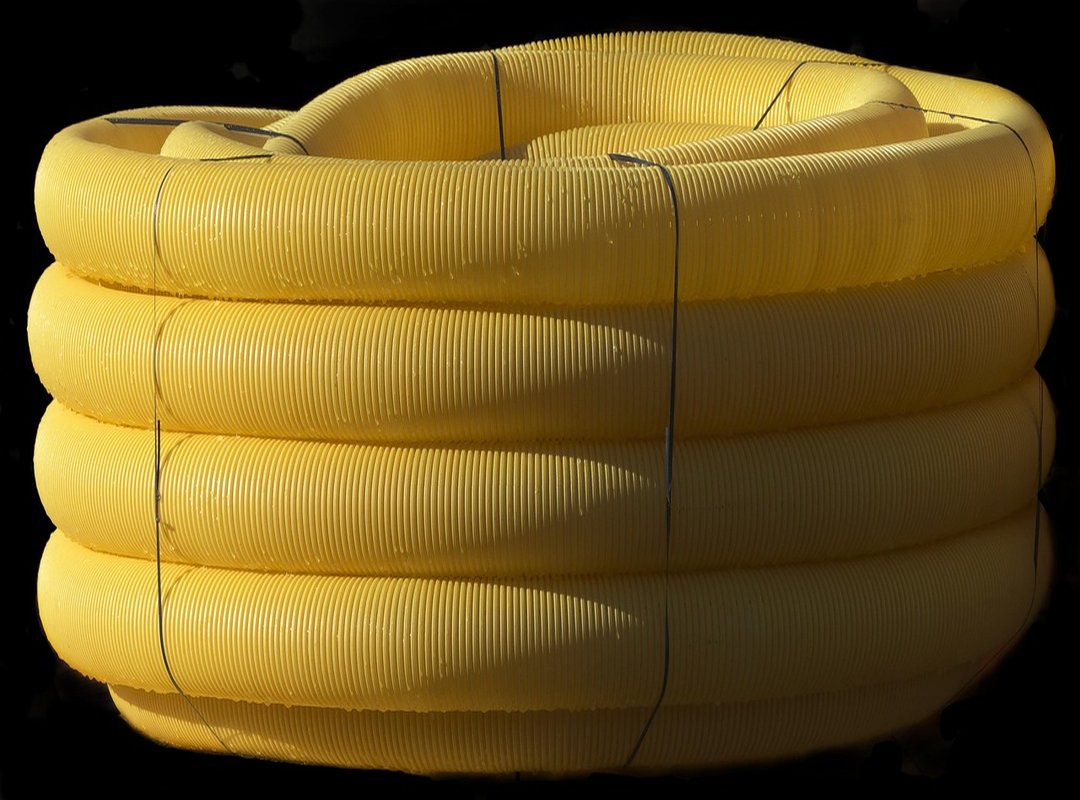
French drains are gravel trenches with a pipe inside. That’s it.
They move water away from where it’s causing trouble (like) next to a basement wall or under a patio.
Don’t dig one yourself unless you’ve done it before. Slope matters. Depth matters.
Pipe placement matters.
A poorly built French drain is just a soggy ditch full of rocks.
Dry wells? Same idea. A hole filled with gravel and a perforated chamber.
Gutters feed into it. Water soaks down.
Only works if your soil drains well. If you squeeze a handful of wet dirt and it holds its shape? Skip this one.
Regrading is the big gun.
That slope directing water toward your house? It needs to go. Fast.
You can’t do this with a shovel and hope. You need laser levels. Excavators.
Grading rakes. Real knowledge.
I watched a neighbor try it. He moved dirt for three days. Then it rained.
Water still pooled at the door.
Professionals charge money. They also know where the water wants to go (and) how to make it go there.
So ask yourself: Is this a weekend project? Or is it a foundation issue wearing a mask?
Because drainage isn’t about looks. It’s about keeping water where it belongs (which) is almost never next to your house.
Water Doesn’t Wait. Neither Should You.
I’ve seen what unmanaged water does to homes. It creeps into basements. It softens soil.
It cracks foundations. It always gets worse before anyone notices.
You already know this.
That’s why you’re here.
Finding the cause isn’t optional.
It’s the only thing standing between a quick fix and another $10,000 repair down the road.
Drailegirut works because it starts there. With real observation, not guesswork.
You don’t need a contractor yet. You don’t need a quote. You don’t even need a shovel.
Just wait for rain. Walk your property. Watch where water pools.
Where it runs. Where it disappears.
That five-minute walk tells you more than any sales pitch ever will.
Most people skip it.
Then they pay for it.
Your home’s value isn’t abstract. It’s in dry walls. Stable soil.
A basement that doesn’t smell like mildew.
So go outside next time it rains. Take notes. Snap a photo of the worst spot.
Then come back.
We’ll help you match what you saw to the right solution (no) upsells, no jargon.
Your move.

 Victorious Chapmanserly contributes as a tech writer at mediatrailspot focusing on cloud computing, digital transformation, and innovative software solutions. His articles highlight practical applications of technology in business and daily life.