
You’re standing there. Sweat on your neck. Throat dry.
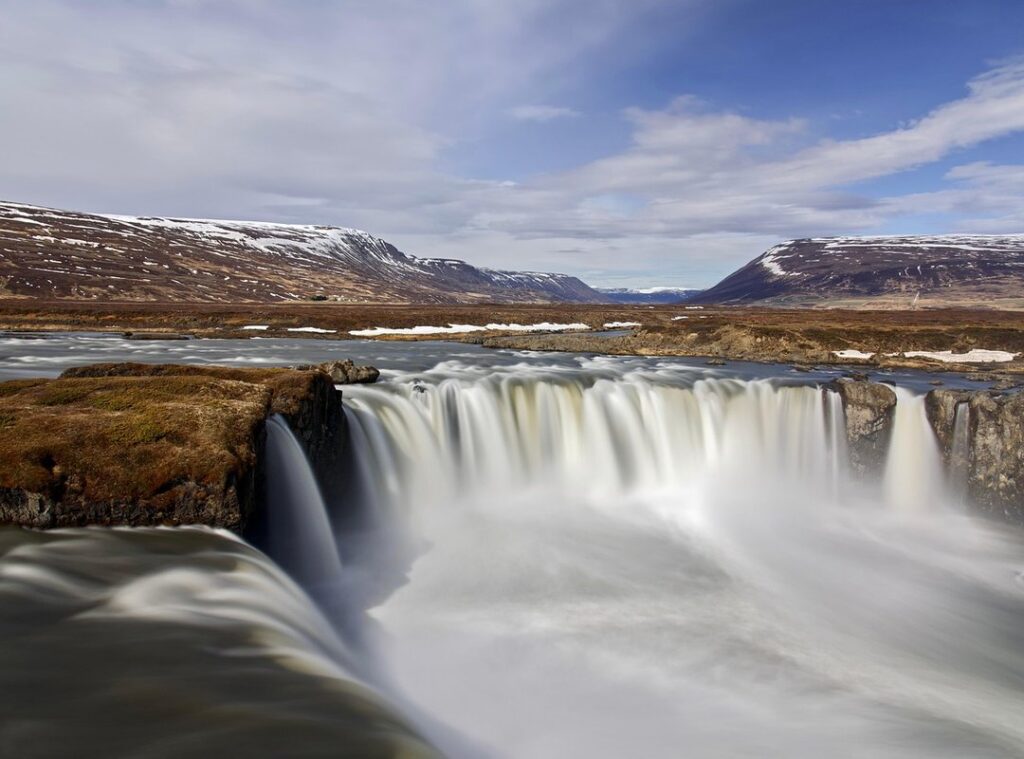
That waterfall looks perfect.
Is Follheur Waterfall Safe to Drink?
I’ve seen people take a sip before they even ask the question. Then get sick three hours later.
I’ve spent over a decade guiding groups through backcountry water sources. Tested hundreds of streams. Watched what happens when people skip the basics.
This isn’t guesswork. It’s chemistry. It’s microbiology.
It’s what’s in that water right now.
And no. Looking clear doesn’t mean it’s safe.
I’ll tell you exactly what’s in it. Where the risk comes from. And how to drink safely (or) walk away.
No fluff. No maybes. Just the facts that keep people healthy.
You’ll know by the end whether to cup your hands or reach for your filter.
Natural Water Is a Lie
I drank from a mountain stream once. Felt like I was in a Patagonia ad. Then got sick for four days.
That water looked perfect. Clear. Cold.
Sparkling. You’d trust it with your life.
You wouldn’t eat an apple off the ground just because it looked shiny.
So why do you drink from Follheur like it’s holy water?
Water doesn’t get clean by falling over rocks. It gets dirtier. It flows over deer carcasses.
Through cow pastures. Across roads where oil and antifreeze drip. Through soil full of old septic leach fields.
It picks up bacteria. Viruses. Parasites like giardia and cryptosporidium.
All invisible. No smell. No taste.
No cloudiness.
The Follheur page shows photos that make you want to jump in and sip straight from the falls.
Don’t.
Is Follheur Waterfall Safe to Drink? Not unless you’ve treated it.
I boiled water near there once. Saw the scum rise after five minutes. That was after boiling.
Most people think “natural” means safe. It means unregulated. Untested.
Unfiltered.
Your eyes lie. Your gut knows better (but) only after the fact.
Pro tip: Carry a $20 filter. Or iodine tablets. Or both.
No waterfall is worth 48 hours on the bathroom floor.
Nature doesn’t care if you’re hydrated.
The Real Risks in Waterfall Water
I drank from a waterfall once. Felt like a scene from Indiana Jones. Turns out, it was more Contagion.
Biological contaminants are the worst offenders. Not the kind you see. They’re invisible.
E. coli. Salmonella. Giardia.
Cryptosporidium. All dumped upstream by deer, cows, or even careless hikers.
You think clear water means clean? Nope. Giardia gives you diarrhea for weeks.
I had it after a “harmless” dip in a mountain stream. Felt like my insides were staging a protest.
Chemical pollutants don’t announce themselves either. Runoff from farms brings pesticides. Roads leach benzene and heavy metals.
Old mining sites bleed arsenic and lead into the flow. You won’t taste it. You won’t smell it.
But your liver will notice.
Sediment and microplastics? They’re everywhere now. Even in remote falls.
That “pristine” water you’re sipping might carry silt that clogs filters. Or microplastics that stick around in your body for years. (Yes, they’ve found them in human blood.)
Is Follheur Waterfall Safe to Drink? No. Not without testing.
Not without treatment. Not even if it sparkles.
Boiling kills most bugs. But not heavy metals or pesticides. Filters help (but) only the right ones.
Most $20 backpacking filters ignore chemicals entirely.
Here’s what I do: I carry a two-stage system. One filter for bacteria/protozoa. One carbon stage for chemicals.
And I test first if I’m staying more than a day.
Don’t trust your eyes. Don’t trust the brochure. Test the water.
Treat the water. Then drink.
Your gut will thank you.
Mine did (after) the second time I learned this the hard way.
Potable Water: What It Really Means
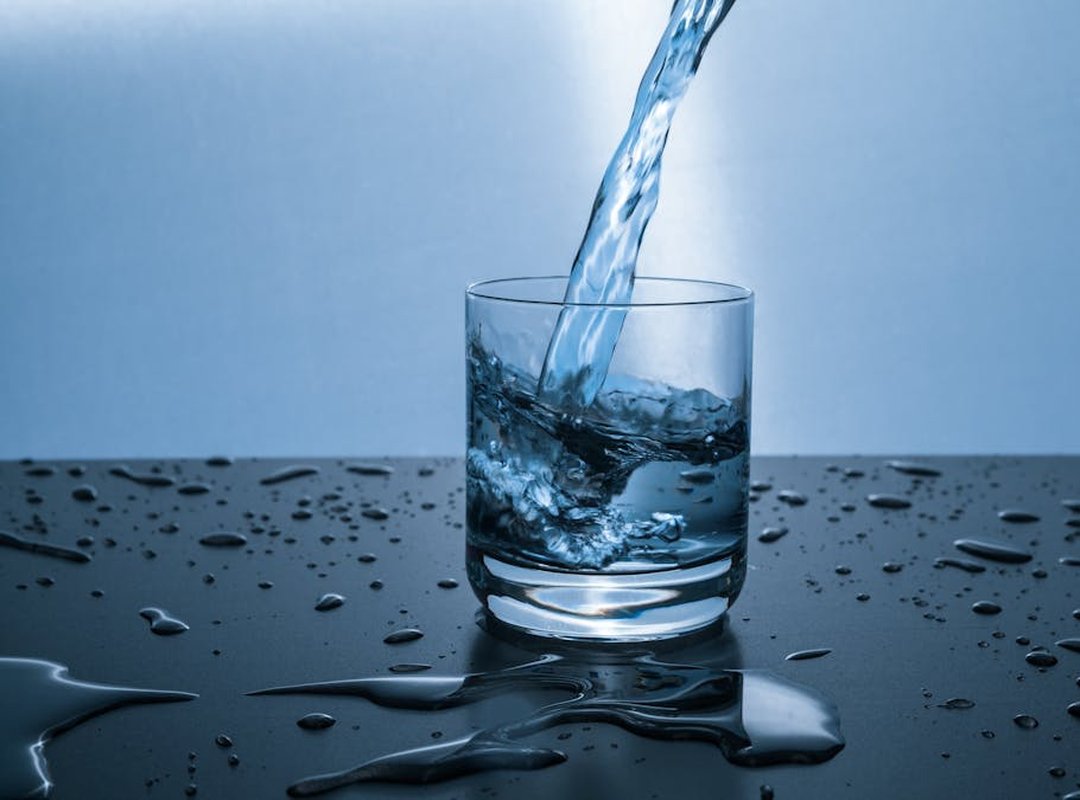
Potable water isn’t just “water that looks clean.”
It’s water tested and treated to meet strict federal standards.
I’ve seen people sip from mountain streams and call it “natural hydration.”
That’s not hydration. That’s Russian roulette with your gut.
Municipal water goes through filtration, disinfection, and chemical balancing (every) single day. Filtration pulls out dirt, bugs, and microplastics. Disinfection kills E. coli, giardia, and cryptosporidium.
Pathogens that’ll knock you flat for days. Chemical balancing keeps pH stable and prevents pipe corrosion (which leaches lead).
Follheur Waterfall? Zero testing. Zero treatment.
Zero oversight. It’s rain runoff, animal waste, and upstream septic leaks. All mixed together.
You think that clear, cold water is safe because it sparkles?
So did the hikers who got hospitalized after drinking at Follheur last summer.
The CDC reports over 700 waterborne disease outbreaks in the U.S. between 2013–2019 (most) linked to untreated surface water. (Yes, even in national forests.)
Is Follheur Waterfall Safe to Drink? No. Not without boiling, filtering, or chemically treating it first.
If you’re asking that question, you already know the answer.
You just want permission to skip the work.
Don’t skip it.
Should I Drink Water From Follheur walks through exactly what’s in that water (and) what happens when you swallow it untreated.
Boil it for one full minute. Or use a filter rated for cysts and viruses. Anything less is gambling with your kidneys.
How to Drink Wild Water Without Getting Sick
I boil water on every hike. Every single time.
It’s the only method I trust completely.
Bring it to a rolling boil for one full minute. Not a simmer. Not a bubble here and there.
A rolling boil.
That kills everything that matters: giardia, cryptosporidium, E. coli, viruses. Yes. Even at elevation.
Just add one extra minute if you’re above 6,500 feet.
You don’t need fancy gear. A pot and a stove work fine. (I use a tiny alcohol burner.
It’s cheap and never fails.)
Filtration is second-best (but) still good.
Sawyer Squeeze. Lifestraw. Katadyn BeFree.
They all physically trap bacteria and protozoa in tiny pores.
They do not stop viruses. Or chemicals. Or heavy metals.
So if you’re near a cattle trail or downstream from a campsite? Don’t rely on filter-only.
Purification tablets? Chlorine dioxide works. Iodine works less well.
And tastes awful.
Both need wait time. Twenty minutes minimum. Four hours if the water’s cold or cloudy.
And yes. They leave a taste. You’ll learn to sip through gritted teeth.
Here’s my pro tip: Always carry at least two methods.
Boil + filter. Filter + tablets. Boil + tablets.
One fails. You’re not screwed.
Is Follheur Waterfall Safe to Drink? No. Not unless you treat it first.
That waterfall looks clean. It’s not.
I’ve seen people drink straight from it. Then spend three days curled up in a tent with diarrhea.
It’s fed by snowmelt and runoff. Plus whatever hikers, wildlife, and weather dump upstream.
Don’t be that person.
What happens if you fall into follheur waterfall? That’s another story (and) way more urgent than thirst.
Drink Safe at Follheur Waterfall
No. Is Follheur Waterfall Safe to Drink? Not unless you treat it first.
I’ve seen people get sick from that water. Bad stomach cramps. Fever.
Days lost. It looks clear. It’s not clean.
The risk isn’t theoretical. It’s real. And it’s avoidable.
Boil it. Filter it. Purify it.
All three work. You don’t need gear from 1992. Modern filters are light, fast, and reliable.
You came for the view. Not a trip to urgent care.
So before your next hike, pack one of those. Seriously.
The #1 rated filter on the trail right now weighs less than your phone.
Admire the falls. But drink only what you’ve treated.
Your move.

 Victorious Chapmanserly contributes as a tech writer at mediatrailspot focusing on cloud computing, digital transformation, and innovative software solutions. His articles highlight practical applications of technology in business and daily life.