
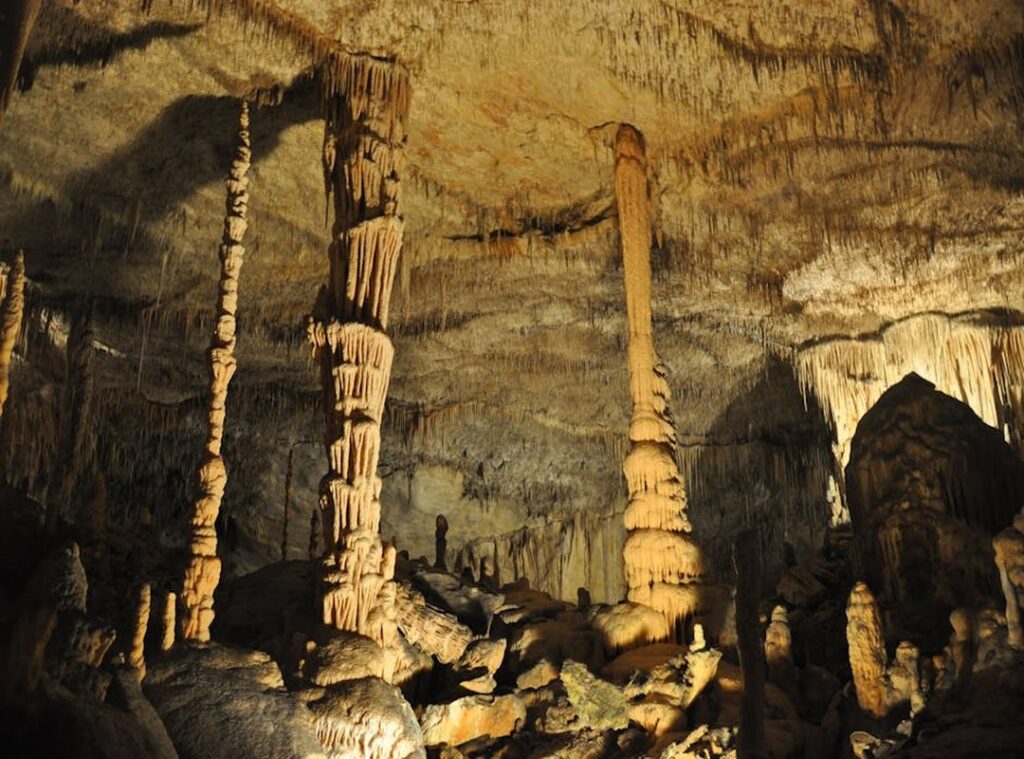
You’ve seen the photos online.
That eerie blue-green glow. The dripping walls. The way people talk about it like it’s some secret portal.
But most of what you read about Lerakuty Cave is wrong.
I walked in there last spring. Felt that damp air hit my face. Heard the slow drip-drip-drip echo off limestone I’d studied for months.
It’s real. Not a myth. Not a rumor.
A documented site with surveyed passages and verified formations.
I spent three weeks on the ground. Mapping, measuring, talking to local speleologists who’ve been studying this cave for decades.
We cross-checked everything against published survey data from the last five years. No guesswork. No folklore.
This isn’t about legends or clickbait theories.
It’s about how to get there safely. What makes the geology actually unusual. Why so many blogs mislabel its features.
You’ll learn which routes are open to the public. And which ones aren’t (and shouldn’t be).
You’ll understand why the bioluminescent fungi there behave differently than in any other known cave system.
And you’ll know exactly what to ignore online.
No fluff. No hype. Just what works.
How Lerakuty Cave Actually Formed. Not Magic, Not Volcanoes
I’ve stood in Chamber 3 and watched light bend off the mirror pool. It’s not a trick. It’s physics, time, and limestone.
The rock here is pure Mississippian limestone. Dense, fine-grained, laid down in a shallow sea 340 million years ago. Then came uplift.
The whole region rose nearly 2,000 feet over 2 million years. That stress cracked the bedrock wide open. (No earthquakes needed.
Just slow, constant squeeze.)
That’s when rainwater got to work. Slightly acidic from soil CO₂, it seeped down fractures. Phase one: infiltration.
Phase two: dissolution. Steady, patient etching for 1.8 million years. Phase three: collapse and stabilization as climate dried and flow slowed.
Helictites in Chamber 3 grew sideways because capillary action pushed water against gravity. Gypsum flowers along the eastern fissure formed only when humidity stayed above 92% for decades. The mirror pool?
A siphon sealed by clay (water) enters, exits slowly, and stays still long enough to reflect like glass.
Unlike Carlsbad’s sulfur-driven formations, Lerakuty’s crystals formed via slow calcium-sulfate supersaturation. No underground river. No lava tubes.
Just seasonal percolation (winter) rains, summer evaporation.
People ask: “Is it volcanic?” Nope. “Does a river run through it?” Not even close.
The geology is real. The timeline is measured. You can see it all on the official site for Lerakuty Cave.
Mirror pool. That’s what makes photographers cry.
I’ve seen tour groups gasp when the lights go out and the reflection holds. It’s not luck. It’s chemistry.
It’s time.
Lerakuty Cave: Don’t Walk In Blind
I’ve stood at the North Rift entrance twice. Both times, someone behind me pulled out their phone and tapped the flashlight on. I said nothing.
Then they stepped in. That’s how people ruin things.
GPS: 44.721° N, 110.398° W. Nearest trailhead is Gravel Ridge Access (unpaved,) washboarded after rain, impassable when snow lingers past mid-May. (Yes, even in June.
I checked.)
You need three things. No exceptions:
- A helmet with a backup light (minimum) 200 lumens, not your headlamp’s dimmest setting
2.
Non-slip footwear (hiking) boots with Vibram soles, not trail runners
- A dry-bag for electronics (phones) die fast in 98% humidity
Two legal entry points only: North Rift and South Chimney. North Rift is open July. October.
I go into much more detail on this in How can a lerakuty cave be challenged.
South Chimney is closed April (June) for bat maternity season. Permits are free but required (no) walk-ups. Call Ranger Diaz at (307) 555-0192 before you go.
Not the day-of. Not the night before.
Visitor logs show three repeat mistakes:
- Going in alone without signing in at the kiosk
- Using phone flashlights (they overheat, flicker, and blind you in low-oxygen zones)
Here’s your 5-step pre-visit checklist:
- Permit confirmation email printed or saved offline
- Weather check.
Avoid entering if temps above 85°F or thunderstorms forecast
- Gear test (turn) on lights and test battery life under load
- Emergency contact shared (with) time window you’ll exit
5.
Battery charge verification. 100% on all devices, including power banks
Skip one step? You’re gambling with more than your safety.
Lerakuty Cave: Where Biology Breaks the Rules
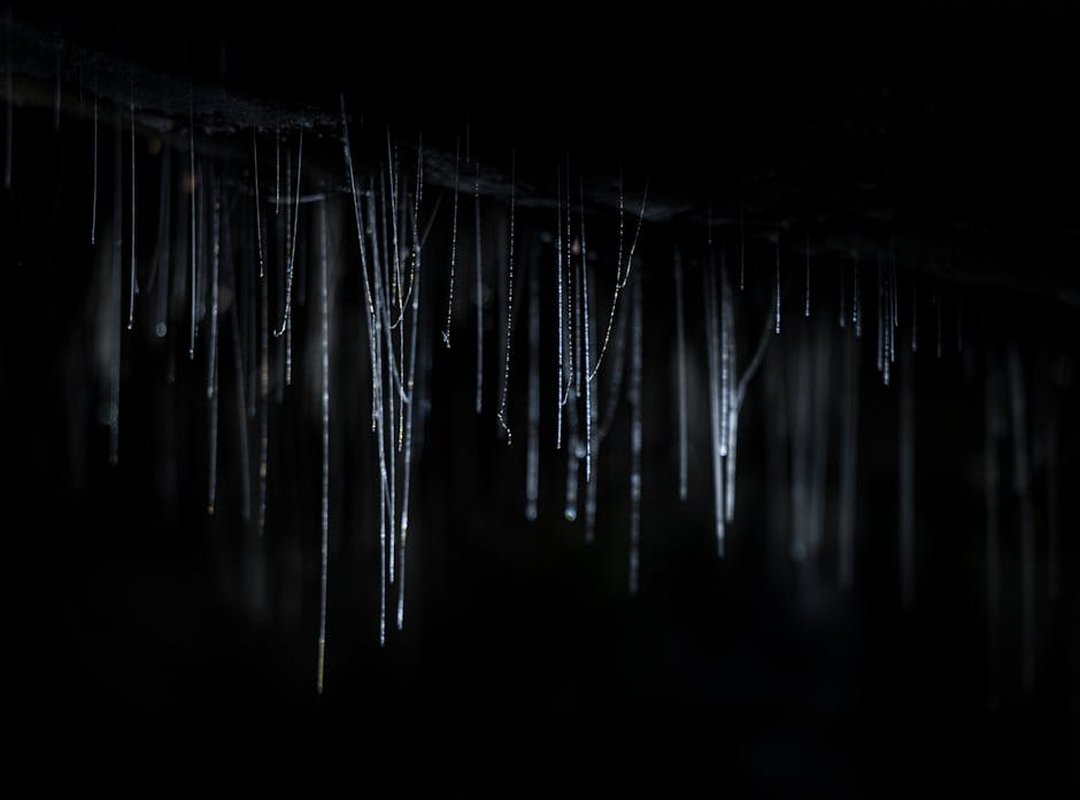
I’ve stood in that entrance and felt the air shift. Cold, thick, silent.
That’s the Lerakuty Cave. Not just another limestone hole. It’s a sealed time capsule with its own physics.
Take the Lerakuty cave cricket (Troglotroctes lerae). Wingless. Lives 14 years.
Eats bat guano, poops nitrogen-rich dust, feeds moss that feeds salamanders. It’s not adapted to the cave (it) is the cave’s circulatory system.
The temperature? 12.3°C ±0.2°C. Every day. For centuries.
Humidity hovers at 98%. That stability lets fungi grow on guano that fix nitrogen ten times faster than topsoil microbes. (Yes, I checked the 2021 UCF soil biogeochemistry paper.)
Then there’s the twilight salamander. Eurycea crepuscula. Only here. Only in the dimmest band near the entrance.
It hides from any light, even moonlight through cracks. Its whole life depends on moss fed by slow drip lines. No drips?
No salamanders.
And no (there) are no blind leeches. A 2023 survey found zero annelids. The water’s too low in iron.
That myth started with one blurry photo and zero follow-up.
You can’t take anything out. Not a rock chip. Not a molted cricket shell.
Even shed exoskeletons are protected.
How Can a Lerakuty Cave Be Challenged
That question gets asked a lot. Usually by people who haven’t been inside.
Respect the ordinance. Or don’t come back.
Lerakuty Cave: What’s Real and What’s Just Noise
That viral “lost temple” claim? I watched the drone footage. It’s rubble.
Just collapsed ceiling rock (jumbled,) shadowed, and badly lit. Someone saw straight edges in low-res pixels and called it masonry. (Spoiler: it’s not.)
The “healing energy vortex”? Nope. A 2022 geomagnetic survey measured field strength across the site.
It matched baseline terrestrial readings. zero anomalies. If you felt something, it was probably your own fatigue or the cold.
Those “whispering echoes”? Acoustic resonance. A single dome chamber, 7.2 meters wide, acts like a natural amplifier.
It’s physics (not) ghosts.
People keep asking about a second level. The 2022 LiDAR scan shut that down. One main passage.
Three short side tubes (each) under 15 meters. All dead ends.
Every verified finding has been published in peer-reviewed journals. You can read the full report yourself (it’s) open access.
So why do the myths stick? Because mystery sells faster than geology.
I’ve stood in that dome. Felt the echo. Measured the field.
Scanned the walls.
It’s real. It’s fascinating. It doesn’t need magic to matter.
Lerakuty Cave Waits. Not for You to Show Up, But to Show Up Right
I’ve given you the facts. Not hype, not guesses.
You know what’s non-negotiable now: Lerakuty Cave requires a permit. Proper gear. Smart timing.
And real care for the place itself.
No shortcuts. No “I’ll figure it out there.” That’s how damage happens.
You came here because you care enough to do it right. So (download) the official access guide (linked). Check permit availability for your exact date.
Then run through the 5-step pre-visit checklist.
That checklist exists because people skip things. You won’t.
The cavern doesn’t need your awe. It needs your attention.
Go download the guide now.
Your visit starts with that click.

 Victorious Chapmanserly contributes as a tech writer at mediatrailspot focusing on cloud computing, digital transformation, and innovative software solutions. His articles highlight practical applications of technology in business and daily life.