
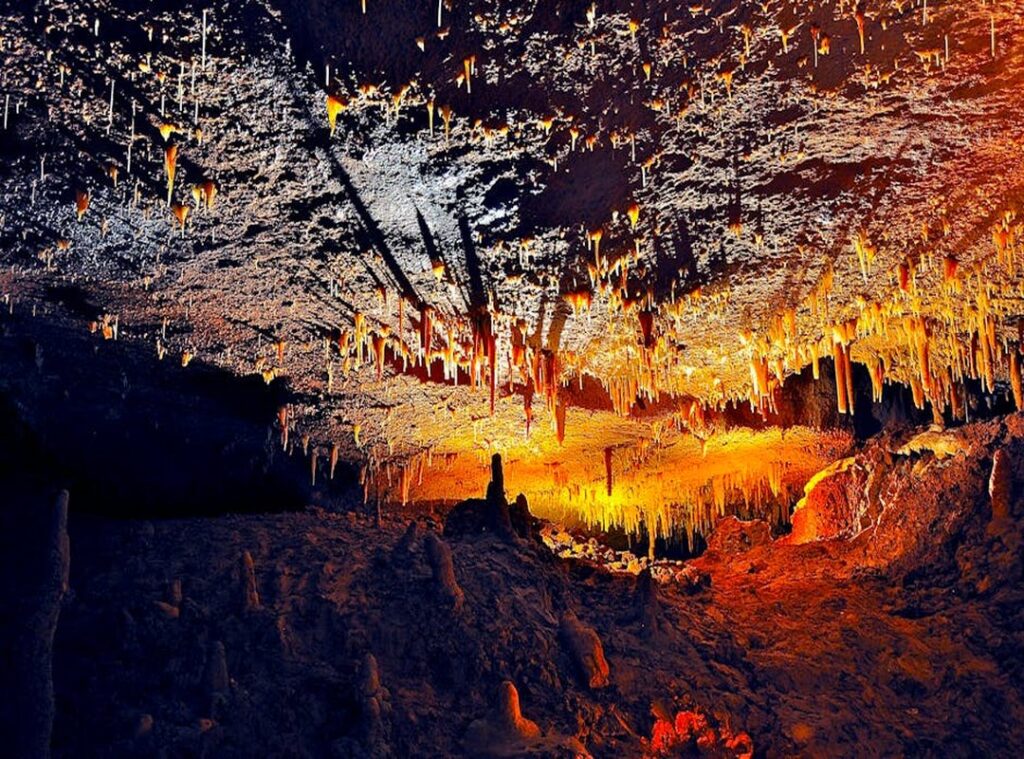
I’ve stood in Lerakuty Cave and felt the weight of time press down.
Not the kind of weight you feel in a museum. This is raw. Ancient.
Real.
You’re probably staring at a photo right now, wondering how Lerakuty Cave Formed.
Most geology explanations sound like they’re written in another language. Or worse. They skip straight to the pretty pictures and leave you guessing.
I’ve spent years translating this stuff for people who just want to understand (not) memorize.
This isn’t theory. It’s a step-by-step story. Water.
Rock. Time. Pressure.
Each stage explained clearly.
No jargon. No fluff. Just cause and effect.
You’ll walk out knowing exactly how that first drop of water started the whole thing. And how it led to the cave you see today.
That’s the promise. And I keep it.
The Rock Beneath Your Feet: Lerakuty’s Secret
I stood inside Lerakuty Cave last spring and ran my hand over the wall. Cold. Smooth in places.
Gritty where dripstone had cracked. That rock? Limestone.
Not dolomite. Not sandstone. Pure, ancient limestone.
It dissolves. Slowly. Like sugar in tea.
But over 300,000 years, not three minutes.
Water seeps in. Picks up carbon dioxide from soil. Turns slightly acidic.
Then it eats the limestone grain by grain.
That’s how caves form. Not with explosions or earthquakes. Just water.
Time. And the right rock.
This limestone formed in the Mississippian period. Roughly 350 million years ago. A warm, shallow sea covered what’s now central Europe.
Coral, crinoids, tiny shells (all) piled up. Died. Got buried.
Squeezed. Turned to stone.
You’re literally walking on fossilized ocean floor.
The region has a history of gentle folding (not) violent faulting. But there are fractures. Tiny cracks from old tectonic stress.
Water found them first. Widened them. Made them into passages.
No big drama. Just weakness + water = cave.
I’ve seen other caves in granite. Nothing happens. Granite doesn’t dissolve.
Limestone does. That’s why this rock matters.
How Lerakuty Cave Formed isn’t magic. It’s chemistry. Geology.
Patience.
Lerakuty Cave sits right where those fractures line up. And where rain still hits the surface.
Pro tip: Bring a headlamp with red-light mode. Preserves night vision and doesn’t spook the bats.
Most people don’t realize how much of the cave’s shape came from one single fracture zone (about) 12 meters wide. Running north-south through the hill.
You feel it when you walk in. The air changes. The ceiling rises.
That’s the fracture talking.
The Primary Sculptor: How Water Carved the Void
I stood inside Lerakuty Cave last October. Cold air, dripping water, limestone walls slick and curved (not) chipped, not broken, but dissolved.
That’s how Lerakuty Cave Formed.
Rain hits the air. Picks up CO₂. Turns into weak carbonic acid.
Not much acid (barely) enough to taste. But limestone doesn’t need much.
Limestone is mostly calcite. Calcite dissolves in acid. Slowly.
Relentlessly. Like sugar in tea (except) this takes centuries.
Water seeped into hairline cracks. Then widened them. Then joined them.
No drama. No explosion. Just steady chemistry.
You think caves form from rushing rivers? Nope. Most of Lerakuty’s early shaping happened underwater.
Below the water table. In the phreatic zone.
That’s where passages filled completely. No air. Just pressure.
Just time. Just acid working on rock from all sides.
The result? Rounded tunnels. Smooth ceilings.
Symmetrical curves. You see it everywhere in the lower levels.
Above the water table? Different story. That’s the vadose zone.
Where water drips and splashes. Where you get stalactites. But that came later.
The real sculptor wasn’t force. It was patience. And chemistry.
I ran my hand over a wall near the entrance. Felt the grooves. Knew they weren’t cut (they) were unmade, molecule by molecule.
People ask: “How long did it take?”
I say: “Longer than your family’s been in this valley.”
No fancy tech. No heat. No pressure.
Just rain, air, rock, and time.
And yes. That carbonic acid is still at work. Right now.
Still widening something. Still carving.
You ever lick a limestone cliff after rain? Tastes faintly sharp. That’s the reaction happening in real time.
Don’t call it erosion. Call it dissolution. It’s quieter.
From Fissure to Fortress: How Rock Becomes Room
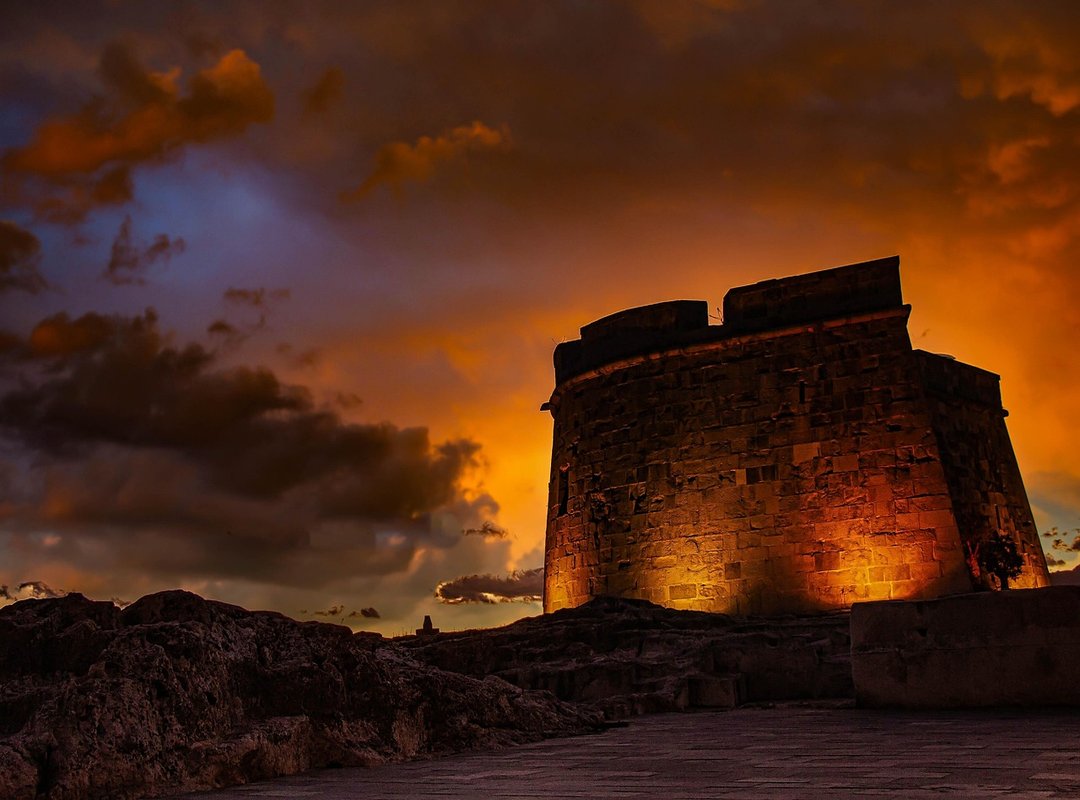
I stood in Lerakuty Cave last spring. Felt the cold air rise from deep below. Knew instantly this wasn’t just a hole in the ground.
It started with cracks. Tiny ones. Water seeped in.
Dissolved limestone. Slowly. Over thousands of years.
Not fast. Not dramatic. Just water doing what water does.
Then came the big shift. The regional water table dropped. Suddenly, the main passages weren’t flooded anymore.
They were empty. Exposed to air for the first time in who-knows-how-long.
That’s when everything changed.
The cave entered the vadose zone. Air-filled. Gravity took over.
Rivers that used to flow through rock now flowed across it. Carving channels, smoothing floors, dropping boulders like they meant it.
Think about mountain ranges growing. That slow, grinding, unstoppable push upward? This was the opposite.
A slow, grinding, unstoppable hollowing out. Same timescale. Same indifference to human clocks.
I’ve walked other caves. Many of them. Lerakuty Cave stands out because you can see the layers of change.
The old water lines. The dry tunnels above. The fresh grooves on the floor where water still runs after rain.
How Lerakuty Cave Formed isn’t a story of one event. It’s a story of patience. Of chemistry.
Of gravity waiting its turn.
You want proof? Go stand in the Main Chamber. Look up at the ceiling.
See those smooth, rounded curves? That’s not wind. That’s ancient water (gone) now, but still shouting its name.
Link to more on Lerakuty Cave
Some people call it geology. I call it time made visible.
And it’s still happening. Right now. Just slower than your heartbeat.
Speleothems: Cave Jewelry, Not Magic
Speleothems are mineral deposits. They’re not alive. They don’t grow like plants.
They build up (drop) by drop. Over centuries.
I’ve watched water seep through limestone above Lerakuty Cave. It dissolves calcite on the way down. That water isn’t just wet.
It’s loaded.
When it drips into the cave air, CO₂ escapes. The chemistry shifts. Calcite drops out of solution.
Every droplet leaves a tiny ring. Not much. But over 10,000 years?
Enough to hang a stalactite.
Stalactites hang from the ceiling. Stalagmites push up from the floor. When they meet?
A column. Solid. Heavy.
Real.
Lerakuty Cave has all three. Thick ones. Some wider than my thigh.
You can see the layers if you get close. Like tree rings, but in stone.
How Lerakuty Cave Formed isn’t just about cracks and time. It’s about water moving exactly right. Slow.
Steady. Persistent.
That’s why Water in the Lerakuty Cave matters more than geologists admit. No water flow? No speleothems.
No cave “personality.”
I’ve seen caves with zero decoration. Just bare rock. Boring.
Empty. Lerakuty isn’t that.
It breathes. It builds. It waits.
A Story Written in Stone
I stood inside Lerakuty Cave and felt small. Not because it’s big (but) because of what it took to make it.
How Lerakuty Cave Formed isn’t magic. It’s water. It’s limestone.
It’s time. So much time you can’t hold it in your head.
You wanted to understand how something so complex could grow from nothing. I get it. It feels impossible (until) you see the slow, steady hand behind it.
That hand is water dissolving rock. Drop by drop. Century by century.
This cave isn’t empty space. It’s memory. It’s pressure.
It’s history you can touch.
And if we lose places like this? We lose part of how Earth thinks.
So next time you’re near a cave (or) even just see a photo (don’t) just look at the shape. Ask: What did it take to build this?
Then go visit one. Walk in slowly. Take photos.
Leave no trace.
Care for it like the record it is.

 Victorious Chapmanserly contributes as a tech writer at mediatrailspot focusing on cloud computing, digital transformation, and innovative software solutions. His articles highlight practical applications of technology in business and daily life.