
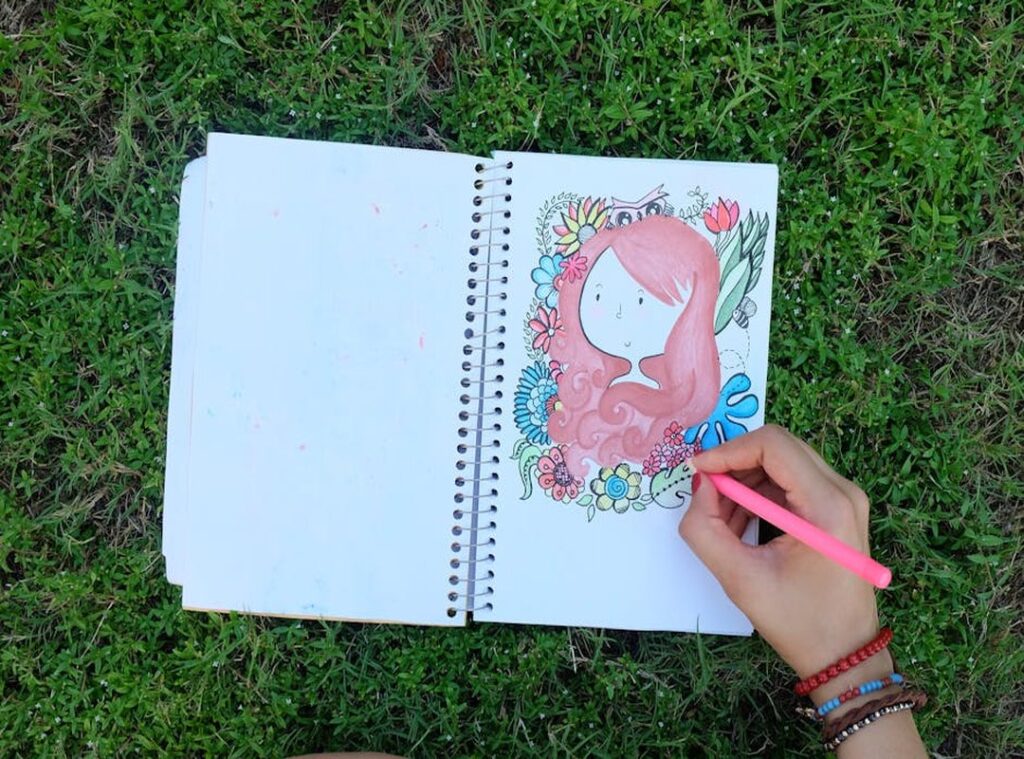
Drawing can be a fantastic way to express yourself. But let’s be real, starting out or improving your skills can feel overwhelming. You might wonder, where do I even begin?
I’ve been there, and i know the struggle. And that’s why I’m here to help.
This guide is all about helppoja piirustus ideoita tytöille. It’s not just another list of tips. These are practical, step-by-step techniques that have worked for me and many others.
We’ll cover everything from basic shapes to more complex drawings. No fluff, no nonsense. Just the essentials you need to get better at drawing.
So, if you’re ready to take your drawing skills to the next level, let’s dive in.
Essential Materials for Drawing
Pencils, erasers, sketchbooks—these are your basic tools, and simple, right? But choosing the right ones can make a huge difference in your drawing experience.
First, let’s talk about pencils. You need to pick the right hardness for your style. If you like detailed work, go for harder pencils.
For shading and softer lines, softer pencils are better. This way, you get the best results for your specific needs.
Erasers are just as important. A good eraser can save your drawing from smudges and mistakes. Get a kneaded eraser for gentle corrections and a plastic eraser for more stubborn marks.
Sketchbooks are your canvas. Choose one with paper that suits your style. Smooth paper is great for fine details, while rougher paper adds texture to your drawings.
It’s all about what feels right for you.
Budget-friendly options are out there too. You don’t need to break the bank to start. Look for student-grade materials or sets designed for beginners.
These are often more affordable and still get the job done.
Helppoja piirustus ideoita tytöille—even if you’re just starting, having the right tools makes it easier to bring your ideas to life. With the right materials, you can focus on your creativity and not worry about the quality of your tools.
Starting with Basic Shapes
The Building Blocks: Understanding how to draw basic shapes like circles, squares, and triangles. These are the ABCs of drawing, and mastering them is your first step to becoming a better artist.
Why Basic Shapes Matter
Basic shapes are the foundation of all drawings. Once you get a handle on these, you can create anything. Think about it—every complex form you see is just a combination of simple shapes.
Combining Shapes: How to use these shapes to create more complex forms. For example, a house can be made from a square and a triangle. A cat?
Just a few circles and ovals, and it’s that easy.
Practice Exercises: Simple exercises to get comfortable with drawing basic shapes. Start by drawing a bunch of circles, and then move on to squares and triangles.
Don’t worry if they’re not perfect at first. The key is to practice regularly.
Helppoja piirustus ideoita tytöille can be as simple as using these basic shapes to create fun and relatable characters. This not only makes drawing enjoyable but also helps build confidence in your skills.
By focusing on these basics, you’ll find that your ability to draw improves quickly. And the best part? You can apply these skills to any type of drawing, whether it’s for fun, school, or even professional work.
Mastering Proportions and Perspective

Proportion Basics: Tips for getting proportions right, especially when drawing people and animals. It’s all about understanding the basic ratios. For example, a typical human body is about 7-8 heads tall.
If you’re drawing a person, start with a simple stick figure to get the height and limb placement right. Same goes for animals—find a reference image and break it down into basic shapes.
Perspective Techniques: How to add depth and realism to your drawings using one-point and two-point perspective. One-point perspective is when everything converges at a single vanishing point on the horizon. Two-point perspective uses two vanishing points, giving a more dynamic view.
This is super useful for drawing buildings or rooms. Start by lightly sketching the horizon line and vanishing points, then build your scene from there.
Common Mistakes: Identifying and avoiding common errors in proportion and perspective. One big mistake is making the head too big or the limbs too short. Another is not aligning objects correctly in perspective.
Take a step back and look at your drawing from a distance. It helps to see if things are off.
Helppoja piirustus ideoita tytöille can be a great way to practice these techniques. Simple, fun drawings can help you get a feel for proportions and perspective without the pressure of perfection.
Adding Details and Textures
Adding small details to your drawings can make a big difference. Think of it like adding spices to a dish. A little goes a long way.
Detailing Tips:
- Focus on the eyes. Eyes are the windows to the soul. Add a tiny glint or a subtle shadow to bring them to life.
- Add background elements. A simple tree, a distant mountain, or even a small insect can give your drawing depth and context.
Texture Techniques:
Creating textures is all about layering, and imagine building a sandcastle. You start with a base and add layers to create the final look.
- Hair and fur. Use short, quick strokes. Vary the pressure to create natural-looking strands.
- Fabric. Think of fabric as a series of folds and creases. Use light, wavy lines to show the flow and movement.
Practice Exercises:
- Draw a simple object. Start with something easy, like an apple. Add texture to make it look real.
- Try different materials. Experiment with pencils, charcoal, and pastels. Each one gives a unique texture.
Adding these details and textures is like giving your drawing a voice. It makes it more expressive and engaging.
Pro Tip: Practice regularly, and consistency is key. Try helppoja piirustus ideoita tytöille for some fun and easy ideas.
Remember, the role of social media in todays news cycle can also be a great source of inspiration. Trends and images you see online can spark new ideas and techniques.
Shading Basics: How to use shading to add depth and dimension to your drawings
Shading can make or break a drawing. It’s the difference between a flat, lifeless sketch and something that pops off the page. I’ve seen too many artists skip this step, thinking it’s not important.
Wrong. Shading is crucial for adding depth and making your art feel real.
Color Theory: Understanding color theory and how to use colors effectively
Color theory isn’t just about picking pretty colors. It’s about understanding how colors interact and how they can affect the mood of your artwork. For example, warm colors like red and orange can make a scene feel energetic, while cool blues and greens can create a calm, serene vibe.
(Pro tip: Use this to your advantage when setting the tone of your piece.)
Tools for Shading and Coloring: Pencils, markers, and other tools for adding color and shading
Choosing the right tools is key, and pencils are great for subtle, gradual shading. Markers, on the other hand, offer bold, vibrant colors.
Don’t be afraid to mix and match. Sometimes, a combination of different tools can give you the best results.
| Tool | Use |
|---|---|
| Pencils | Subtle, gradual shading |
| Markers | Bold, vibrant colors |
For beginners, I recommend starting with pencils, and they’re forgiving and easy to control. Once you get a feel for shading, you can move on to more advanced tools.
Helppoja piirustus ideoita tytöille is a great way to practice these techniques. Simple, fun projects can help you master shading and color without feeling overwhelmed.
Drawing Popular Subjects
I remember the first time I tried to draw a face. It looked more like a potato with eyes. Not exactly what I was going for, but hey, we all start somewhere, right?
People and Faces:
Drawing realistic and stylized faces is a skill that takes practice. Start with basic shapes and proportions. Once you get the hang of it, you can add your own style.
Try exaggerating features or playing with different expressions.
Animals:
Drawing animals can be a lot of fun. From cute and simple to detailed and realistic, there’s something for everyone. I started with simple shapes and gradually added more details.
It’s amazing how a few lines can turn into a recognizable animal.
Landscapes:
Landscape drawing is all about capturing the beauty of nature. Whether it’s a serene beach or a bustling cityscape, focus on the big picture first. Add details later.
This approach helps you avoid getting lost in the small stuff.
Helppoja piirustus ideoita tytöille:
Sometimes, the best way to learn is by starting with simple ideas. For girls, easy drawing ideas can be anything from flowers and fairies to cute animals and characters. These are not just fun; they’re also a great way to build confidence and skills.
Remember, the key is to keep practicing and have fun with it. Every line you draw is a step forward.
Embrace Your Creative Journey
The article covers essential drawing tips and techniques, offering a comprehensive guide for both beginners and those looking to refine their skills. Practice is key. Experimenting with different styles and subjects can help you discover your unique artistic voice. helppoja piirustus ideoita tytöille can be a great starting point.
Drawing is not just about the end result; it’s also about enjoying the process. With persistence and a playful attitude, you can achieve wonderful results.

 Susane Privetterry is a tech author at mediatrailspot known for her insightful writing on AI, digital tools, and modern technology trends. She simplifies complex topics, making them accessible and engaging for readers of all levels.