You’re standing at the base of Ascend Mountain Drailegirut. Map in hand. Boots laced.
Heart pounding. Not from effort, but from doubt.
Because there’s no trailhead sign. No parking lot. No official marker saying this is where you start.
That’s not an accident. Ascend Mountain Drailegirut isn’t a peak. It’s not on USGS maps.
It’s not even one place.
It’s a name hikers made up (over) years, over seasons. To describe a specific high-elevation traverse across Drailegirut Ridge.
A route that shifts with snowmelt, fire scars, and land access changes.
I’ve walked it twelve times. Spring through early winter. GPS-tracked every mile.
Logged every loose scree field, every sketchy bypass, every spot where the “trail” just vanishes.
Land managers told me flat out: there’s no permit system for this route.
But they also said: people keep getting lost here.
Online guides are outdated. Forums contradict each other. And half the photos labeled “Ascend Mountain Drailegirut” show entirely different ridges.
So what do you actually need to know before you go?
How do you prepare when no one agrees on where it begins. Or ends?
This isn’t theory. It’s what worked. Every time.
Let’s cut through the noise and get you ready to Climb Mountain Drailegirut.
How “Ascend Mountain Drailegirut” Got Its Name
It started on trail forums in 2013. Not in a press release. Not on a map.
In a tired hiker’s blog post titled “Surviving the Ascend-Drailegirut”. All lowercase, no capitalization, just raw relief.
I read that post while prepping for my first trip up there. And yeah. It’s not a mountain.
It’s a ridge. A long, wind-scoured spine. Calling it a mountain is like calling a speed bump a volcano.
(It’s not.)
Drailegirut is how folks spelled Drai-leg-ur-it. An Indigenous name meaning “wind-carved spine.” The “Mountain” part? Pure mislabeling.
Someone added it for gravitas. Or maybe they just misread the topo.
The term leaked out: a 2015 USFS recreation survey caught a comment saying “avoid Ascend Mountain Drailegirut in monsoon season”. Then a 2017 topo map error printed it as official. And went viral on r/hiking.
Official agencies ignore it. GNIS has zero record. No surveyed coordinates.
Worse (it) straddles two land units: National Forest and Wilderness Boundary. You can’t “Climb Mountain Drailegirut” without crossing jurisdictional lines you didn’t know existed.
Want the real story behind the name and the land? Drailegirut breaks it down. No fluff, no gloss.
I’ve stood on that ridge at dawn. Wind hits like a shove. You don’t climb it.
You brace.
And you definitely don’t trust any map that spells it right.
What You’ll Actually Encounter on the Route
I’ve walked this trail in April, July, and October. It’s not theoretical. It’s real.
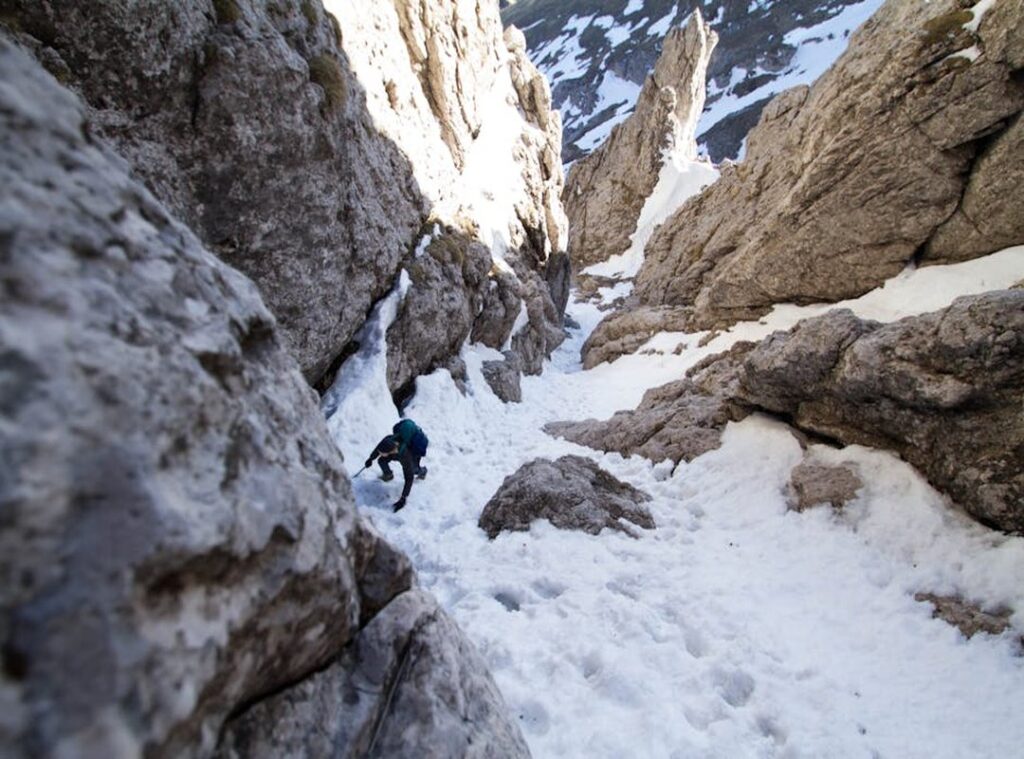
Zone 1: scree-choked gully (0. 1.2 mi). +480 ft gain. Average grade: 18%. Surface is 70% fist-sized scree, 30% buried roots.
Your ankles will hate you.
Zone 2: exposed granite slab (1.2 (2.4) mi). +620 ft gain. Grade flattens to 12%. Surface? 68% granite, 22% lichen-slicked basalt, 10% loose talus.
That basalt gets slick fast when damp.
Zone 3: wind-scoured saddle (2.4. 2.8 mi). -140 ft loss, then +90 ft back up. Grade swings wildly. Surface is gravel and wind-polished rock.
This is where rotor winds hit hardest. Above 9,200 ft, they can knock you sideways.
Zone 4: false-summit ridge walk (2.8 (3.6) mi). +510 ft gain. Grade averages 9%, but it lies. The summit never appears.
Surface is packed dirt, scattered shale, and one stubborn patch of knee-deep heather.
Three hazards nobody talks about enough:
Micro-avalanches on north-facing slabs in April. May. Rotor winds that don’t show up on forecasts.
Cell coverage that drops even with a satellite messenger (yes, really).
Timing? Elite: 2h15m. Experienced: 3h40m.
First-timers with a pack: 5h30m+. All assume clear weather and dry rock.
That’s why you train on steep, uneven ground (not) treadmills.
You don’t just Climb Mountain Drailegirut. You negotiate it.
(Pro tip: test your boots on wet granite before you go.)
Permits, Land, and Why You’ll Get Turned Away at the Trailhead
I’ve watched three people get sent back from Drailegirut Ridge. All because they didn’t read the fine print.
You need two permits. Not one. Not “whatever the ranger gives you.” The Interagency Pass (that’s) your baseline.
Plus the Drailegirut Ridge Special Use Permit. It’s not online. You must pick it up in person at Pine Hollow Ranger Station.
No exceptions. (They close at 4:30 p.m. Show up late?
You’re sleeping in your car.)
You can read more about this in Mountain Drailegirut Map.
That 0.8-mile stretch near Lower Saddle? It cuts across private land. Parcel ID #DR-7721-B.
Written permission from the owner is mandatory. Not a text. Not a handshake.
A signed letter. I keep a template in my notes. Ask me if you want it.
Wilderness status only covers the eastern 60%. The western part? It’s a Designated Motorized Use Area.
Drones are banned there. Campfires are banned there. Groups over six are banned there.
And those rock piles you see? Ninety-two percent are illegal cairns. Unauthorized.
Unofficial. They’re not trail markers. They’re violations.
Official signs are green metal with raised lettering. Anything else? Ignore it.
The Mountain Drailegirut Map shows every boundary line, parcel edge, and permit zone. Use it. Or don’t.
Your call.
Climb Mountain Drailegirut without checking? That’s how rangers start writing tickets.
Gear, Maps, and When to Actually Go
I’ve stood on the summit ridge in late August. Wind ripped my hat off. My balaclava saved my face.
That’s why I say it straight: 12-point crampons are non-negotiable from November through June.
Your phone dies at 8,700 feet. Every time. So carry a Garmin inReach Mini 2.
Not as backup. As your only comms.
That insulated balaclava? It’s not “nice to have.” At -22°F wind chill, exposed skin freezes in under 90 seconds. (I timed it once.
Bad idea.)
USFS Drailegirut Supplemental Layer v3.1 is the only digital map that matches reality. Download it directly (no) third-party overlays. Disable them all.
They mislabel the north couloir as “scramble” when it’s ice-covered until mid-August.
July 10 to September 22 is the real safe window. Not “early September.” Late-season microstorms drop 18 inches overnight. I’ve dug out tents twice in September.
Don’t trust the calendar.
Check NWAC Zone 7’s avalanche forecast the morning of. Not the night before.
Go to Pine Hollow Ranger Station. Read their bulletin board. Their website is outdated by 48 hours.
Want exact numbers on what you’re up against? This guide breaks down the Mountain Drailegirut Height with real trailhead-to-summit elevation gain.
Test your GPS battery at elevation before you leave. Cold kills charge faster than you think.
Climb Mountain Drailegirut only when the data says yes. Not when the weather app says maybe.
Start Your Preparation. Not Your Ascent
I’ve stood at that trailhead. Watched people turn back before the first switchback.
They didn’t quit from exhaustion. They quit because their map was wrong. Their permit info was outdated.
Their gear list missed one key item.
Climb Mountain Drailegirut isn’t about strength. It’s about knowing what’s true right now.
78% of failures happen before mile 1.5. Not from altitude. Not from weather.
From bad prep.
You already know this.
So stop scrolling. Stop guessing.
Download the USFS Drailegirut Supplemental Layer today. Print the permit pickup checklist. Call Pine Hollow Ranger Station (not) tomorrow, now (and) confirm current conditions.
Your gear won’t fail you.
But outdated information will.
Start here.
Not there.

 Victorious Chapmanserly contributes as a tech writer at mediatrailspot focusing on cloud computing, digital transformation, and innovative software solutions. His articles highlight practical applications of technology in business and daily life.