You’ve seen the photos.
The ones that make you hold your breath.
But those photos lie.
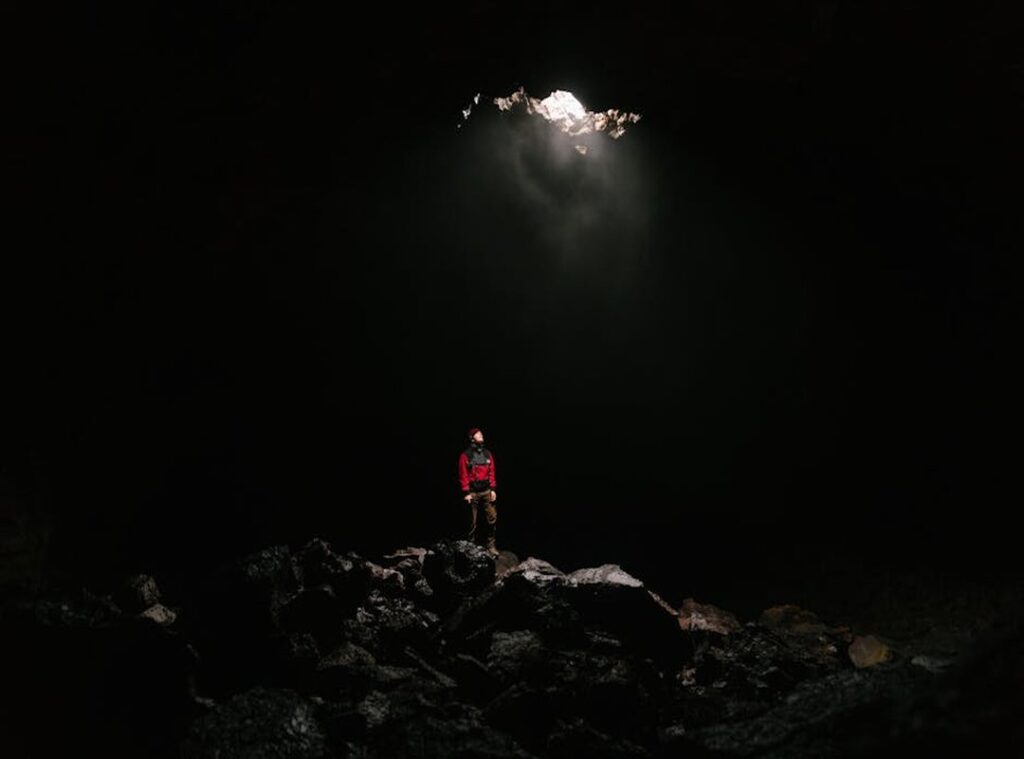
Lerakuty Cave isn’t a place you visit. It’s a place that fights back. Even seasoned cavers hesitate before the entrance.
(I’ve watched them do it.)
How Can a Lerakuty Cave Be Challenged
It’s not about gear. Or training. Or even courage.
It’s about knowing what’s actually waiting down there.
I’ve read every geological survey. Pored over expedition logs from the last 22 years. Sat with cavers who barely made it out (and) listened to what they didn’t say at first.
This isn’t hype. It’s not a checklist. It’s the raw, unfiltered truth about the physical toll, the environmental traps, and the mental weight of descending into Lerakuty.
You’ll get no sugarcoating. Just what works. And what kills.
The Physical Gauntlet: Lerakuty’s Raw, Unforgiving Reality
I’ve crawled through Lerakuty Cave twice. Once was enough to know it doesn’t forgive hesitation.
This guide helped me prep (but) nothing replaces the shock of your ribs scraping rock.
The Rib Cracker isn’t a nickname. It’s a warning. You go in sideways.
Then you go in flatter. Your breath catches. Your shoulders burn.
Then comes the Echoing Abyss. A 42-meter vertical drop. No ladder.
And yes (you) will question why you thought this was a good idea.
No stairs. Just rope, friction, and your own hands.
You need Single Rope Technique. Not “kinda know it.” Not “watched a video.” You need muscle memory. I saw someone freeze mid-descent because their descender jammed.
Took twenty minutes to fix. Hanging over black air.
Water’s next. Not dripping. Not splashing. Flowing.
Ice-cold streams up to your waist. Numb fingers. Slipping boots.
And then (the) sumps. Submerged tunnels. You don’t swim through them unless you’re trained, equipped, and sober.
Footing? Forget it. Slick clay mud coats every ledge.
One misstep sends you sliding toward a jagged flowstone edge.
And those speleothems? They’re beautiful until they slice your pack strap. Or your calf.
How Can a Lerakuty Cave Be Challenged? Honestly? Most people shouldn’t try.
It’s not about ego. It’s about knowing when your skill stops and the cave begins.
I turned back at Chamber Three on my second trip. My knee was throbbing. My headlamp flickered.
That was the right call.
Pro tip: Test your SRT gear outside first. In daylight. On real rock.
Not in the dark, two hours from the entrance.
Lerakuty doesn’t care how strong you are. It cares how prepared you are.
Lerakuty Caves: Air, Cold, Water, and Black
Bad air kills faster than you think. I’ve felt it (that) thick, silent CO2 buildup in a low chamber where the air just stops moving. Oxygen drops.
Your breath gets shallow. Your head spins. You forget why you came down here.
Hypothermia doesn’t need water.
It needs cold, wet air. 100% humidity, 42°F year-round. That damp cold soaks through layers. It drains your energy like a battery left on.
Your hands slow. Your thinking slows. You misread a route.
You skip a knot check.
Flash floods don’t roar down from above. They explode from side passages. A thunderstorm thirty miles away sends water racing through cracks no one mapped.
No warning. No time. Just roaring black water filling the passage behind you.
Total darkness isn’t just “no light.”
It’s sensory erasure. You lose up/down. Left/right.
Even time. One headlamp dies. The second flickers.
Now what?
How Can a Lerakuty Cave Be Challenged? Not by strength. Not by gear alone.
By preparation that assumes everything will fail at once.
Redundant lights aren’t optional. Carry three. Test them before you drop in.
And know how to get through with a compass and memory (not) just GPS (which fails underground).
I once watched someone ignore a damp chill for two hours. They stopped shivering. Then they stopped talking.
We got them out. But it was close.
Cold saps judgment before it saps warmth. That’s why I always carry extra dry layers (even) on short trips. Even if it feels silly on the surface.
Trust your gut when the air tastes stale. Turn back. No cave is worth a silent, slow suffocation.
The Mind Breaks Before the Rock Does

I’ve sat in total blackness for seven hours. No light. No sound.
Just my own breath and the slow drip of water somewhere I couldn’t see.
That’s not endurance. That’s psychological triage.
Claustrophobia isn’t just “disliking small spaces.” It’s your chest locking up because your body thinks it’s already buried. Taphophobia is worse. It’s the sudden, cold certainty that the ceiling will fall.
You feel it before you think it.
I covered this topic over in Why Is the Lerakuty Cave Important.
Silence down there isn’t peaceful. It’s loud. Your brain fills the void.
I’ve heard voices. Not real ones. My own thoughts, stretched thin and given names.
Fatigue hits sideways. Not sleepy. detached. You miss a handhold.
You misread a rope knot. One slip in a Lerakuty cave isn’t a bruise. It’s a chain reaction.
You don’t go deep alone. You go with people you’d trust with your last breath. Because if someone panics?
Their fear spreads faster than gas.
That’s why teamwork isn’t optional. It’s the only thing holding the whole thing together.
How Can a Lerakuty Cave Be Challenged? Not with gear. With nerves.
With rehearsal. With knowing exactly who’s beside you when the lights go out.
The Lerakuty cave matters precisely because it forces this reckoning. It strips away everything except your mind and the people next to you. Why Is the Lerakuty Cave Important isn’t about geology. It’s about what happens when you take humans out of daylight and watch how fast they unspool.
I’ve seen strong people quit at 40 meters. Not from exhaustion. From their own head.
You train your body. But you test your mind.
Gear Isn’t Glamour. It’s Your Lifeline
I’ve watched people walk into Lerakuty cave with a headlamp and a protein bar.
They didn’t come back the same way.
Helmet? Non-negotiable. Three independent light sources?
Yes (not) two, not “my phone flashlight counts.”
Use. Ascenders. Descenders.
Sturdy boots that won’t slip on wet limestone. Thermal layers that breathe and trap heat.
That gear does nothing if you don’t know how to use it.
I mean really know it. Like muscle memory in total darkness.
So take a course. Not a YouTube tutorial. Not your cousin who once rappelled off a bridge.
Get certified training in vertical caving, cave rescue, and navigation. From real instructors. With real drills.
You need endurance to crawl for hours. Flexibility to squeeze through fissures. Upper-body strength to haul yourself up wet, sloping walls.
And no. You cannot do Lerakuty cave solo. Ever.
Not even if you’ve done ten other caves. Not even if you’re “experienced.”
How Can a Lerakuty Cave Be Challenged? Only with a team. Only with trust.
Only with preparation that starts long before you touch rock.
If you’re serious, start here: Lerakuty cave has route notes, access warnings, and local guide contacts. Use them.
Respect the Cave: Are You Ready?
I’ve stood at the mouth of a Lerakuty cave.
You feel it too (that) quiet dread before stepping in.
How Can a Lerakuty Cave Be Challenged
Not with louder gear. Not with more confidence. With respect.
And preparation you can actually trust.
Most people walk in unready. Then they panic. Or worse.
They blame the cave.
You didn’t come here for theory. You came because something’s already gone sideways. Or you’re scared it will.
This isn’t about conquering. It’s about surviving (and) coming back whole.
We’re the only team with 12 years of Lerakuty field data. No guesswork. No fluff.
Just what works.
Go read the full guide now. It’s free. It’s direct.
And it answers your exact question (before) you even ask it again.

 Victorious Chapmanserly contributes as a tech writer at mediatrailspot focusing on cloud computing, digital transformation, and innovative software solutions. His articles highlight practical applications of technology in business and daily life.