
Blurring the Lines Between Fact and Art
Today’s documentaries aren’t just reporting facts they’re telling stories like seasoned screenwriters. Filmmakers are borrowing narrative tools straight from the world of fiction: rising action, emotional arcs, and hard hitting resolutions. That doesn’t mean bending the truth. It means structuring real events in a way that actually moves people.
Character is central. The best modern docs zero in on a subject and turn them, without fabrication, into someone an audience roots for (or against). Even pacing matters cutting between perspectives, using visual motifs to tie themes together, creating tension where real life had ambiguity.
This isn’t style over substance; it’s style used in service of truth. Docs now build experience, not just exposition. They immerse instead of explain. The facts are still sacred but how they’re delivered? That part’s evolved.
The Rise of Personal and Participatory Filmmaking
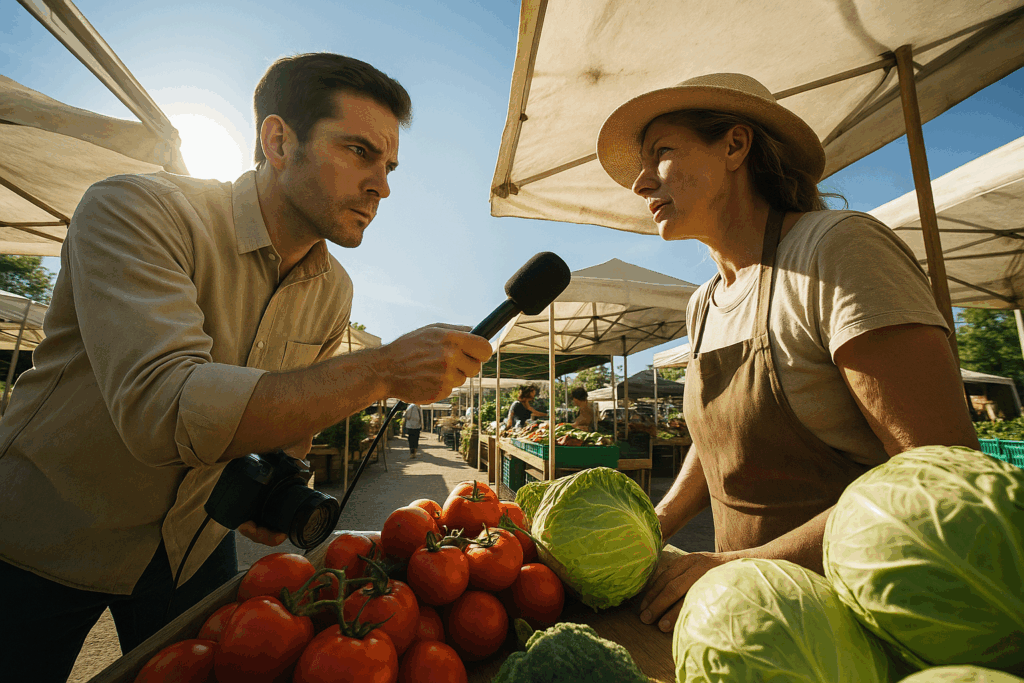
Documentary filmmaking isn’t about standing on the sidelines anymore. The old model dispassionate observer behind the lens has taken a back seat. In its place? Filmmakers putting themselves in the frame, both literally and figuratively. The result is a wave of raw, subjective stories that feel more lived than reported.
This shift isn’t about ego. It’s about urgency. In a world flooded with content, what grabs attention isn’t polished neutrality it’s honesty with sharp edges. When filmmakers step into the story, they aren’t disrupting objectivity. They’re making it real. They’re showing impact from the inside, lived experience over distant commentary.
Audiences aren’t just okay with this they’re demanding it. People are burned out on spin. They want voices that don’t sound like press releases. Documentaries that dig deep, stumble a little, and still say something true. It’s not always clean, but it connects. That’s what’s keeping the genre relevant and pushing it forward.
Streaming Platforms and Global Reach
Streaming didn’t just change how we watch it’s reshaped what gets made. Platforms like Netflix, HBO, and smaller niche streamers have thrown serious weight behind the documentary genre, fueling an era of unprecedented experimentation and reach. No longer confined to dusty time slots on public TV, docs are front and center on subscriber homepages, competing with blockbusters and winning.
One major shift? Global access. A doc filmed in rural India can find an audience in Los Angeles. A Norwegian true crime series can spark Reddit threads in Brazil. And while global exposure used to mean diluting content to cater to a broad base, now it’s the opposite: hyper local stories with deep cultural roots are getting cross border traction. Viewers are hungry for authenticity, not translation.
On format, the old rules are gone. Traditional hour long docs still have their place, but short form and episodic formats are booming. Eight minute chapters, serialized deep dives, even TikTok friendly micro docs each one challenges the idea of what a documentary is supposed to look like. The line between film and content is fading.
What’s emerging isn’t just a new golden age for documentaries it’s a reshaped ecosystem. One where a story told well, no matter where it comes from or how long it runs, can find its place. And maybe even go viral.
Tech is Shaping the Message
The walls are coming down between what was once considered high budget cinematic production and the scrappy world of indie documentaries. Lightweight cameras, affordable drones, and portable gimbals now let solo filmmakers capture sweeping, cinematic visuals without a full production crew. That’s changed the game documentaries aren’t just talking heads and stock footage anymore. They’ve got scale, movement, and visual muscle.
Then there’s the data. Complex topics climate change, economic policy, digital surveillance used to be hard sells on screen. But now, AI powered data visualization is helping documentarians translate massive systems into clear, impactful visual stories. It’s not just stats it’s interpretation, design, and narrative stitched into one.
And for those looking to move even further off the map, immersive formats like VR and 360 degree video are pulling audiences inside the story. These formats aren’t widespread yet, but they’re pushing boundaries on how deep a viewer can actually sink into a documentary’s subject. It’s not passive viewing anymore it’s first hand perspective.
Tech isn’t just shaping how stories are told it’s expanding who gets to tell them, and how big those stories can feel.
Documentaries Now Compete with Narrative Film
For a long time, documentaries lived in the shadows of big budget narrative films important, but rarely front and center. That’s changed. Some of the most talked about projects in the last few years have been docs, and now in 2024, they’re going head to head with fiction at the box office and major award shows. Films like “All the Beauty and the Bloodshed” and “Navalny” didn’t just impress critics they drew crowds.
This isn’t by accident. More directors are treating documentaries as personal statements. We’re seeing signature styles tight cinematography, bold editing, and distinct pacing once reserved for fiction, make their way into nonfiction. These aren’t just educational pieces; they’re cinematic experiences.
And viewers are responding. Tired of filtered content and formulaic blockbusters, audiences are chasing something real. Documentaries serve that up stories with stakes, voices unpolished but urgent, truths that aren’t dressed up to sell tickets. It’s less about escape and more about meaning.
For deeper context and examples, head over to film insights and analysis.
A Creative Future Built on Reality
Documentary filmmaking isn’t playing by the old rules anymore. What used to be vérité footage and talking heads has stretched into something more layered and unapologetically artistic. Filmmakers are mixing live action with animation, weaving reenactments into interviews, and leaning into visual storytelling in ways that used to belong to fiction alone. This genre isn’t mutating. It’s evolving.
Documentaries today do more than inform they impress, provoke, and sometimes dazzle. Filmmakers are using hybrid forms to tell real stories with new intensity. We’re talking archival footage remixed with hand drawn sequences, stylized reenactments that feel more like dreamscapes than court depositions, and sound design that carries emotional weight just as heavily as the facts. The point still stands: truth matters. But now it comes wrapped in bold creative choices that make it stick.
For a new wave of directors, the documentary form is less of a boundary and more of a blank canvas. They’re pulling inspiration from visual art, music videos, even theater. The lines are blurry on purpose and that’s what’s making these works hit harder and linger longer. Want to explore how this movement fits into the broader arc of film? Check out our film insights and analysis.

 Syvanna Kelricsona, co-founder of mediatrailspot blends her expertise in design, user experience, and emerging technology to deliver impactful content. She is passionate about showing how innovation in web and mobile platforms shapes the future of communication and creativity.