Where Viewers Are Going First
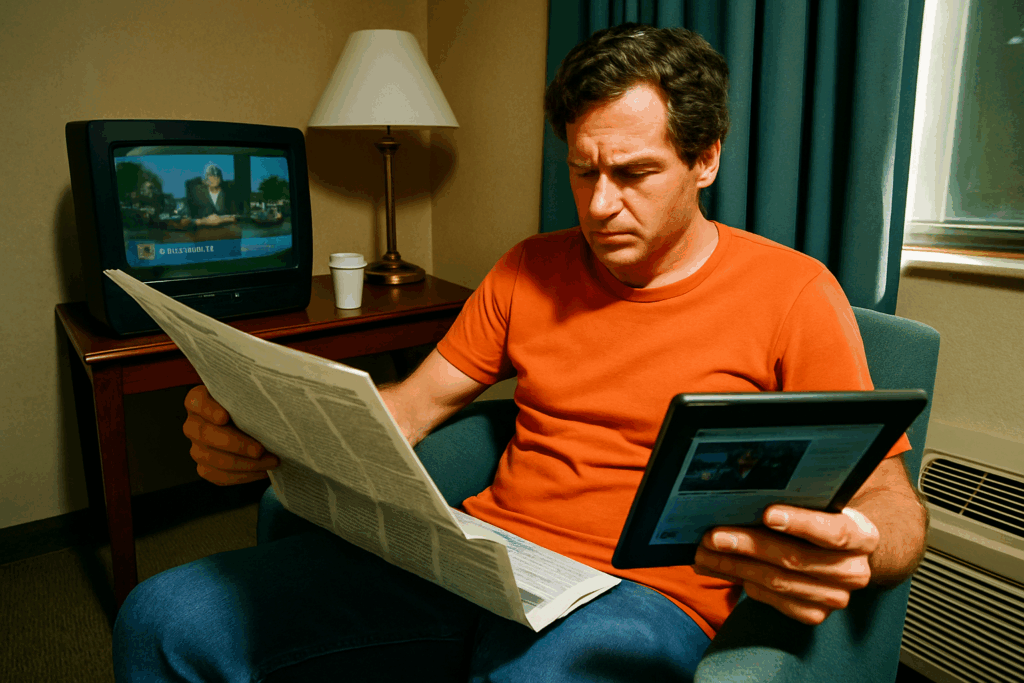
The migration from traditional TV to digital first platforms isn’t new but 2024 made it irreversible. Legacy news networks that once dominated living rooms are now fighting an uphill battle against platforms that fit into pockets, not primetime slots. Netflix, YouTube, and a growing list of niche streamers now serve as primary news sources for millions. People don’t wait for the 6 o’clock news; they hit play whenever they want.
Netflix sets the tone with long form exposés and limited docuseries that uncover layers traditional formats can’t touch. YouTube, on the other hand, makes space for everything from trusted journalists to grassroots commentators with loyal followings. Smaller platforms are popping up too, focusing on hyper specific beats or political leanings, stitching together loyal (and vocal) viewerships.
Cord cutting is no longer a fringe behavior it’s the default, especially for those under 40. What used to be about saving money is now about control. Viewers get to skip ads, skip bias, skip what doesn’t serve them. That shift in power from broadcaster to viewer is why this trend isn’t slowing down. If anything, it’s speeding up.
On Demand News: The New Normal
The news is no longer something people wait for it’s something they summon. From five minute explainers on global conflicts to deep dive documentary drops, streaming news is broad, flexible, and unapologetically viewer driven. It’s transformed from a fixed time broadcast into a choose your own timeline experience.
Platforms like YouTube, Netflix, and even TikTok are leaning into formats that mirror audience habits: daily roundup shows you can watch during lunch, or multi part investigative series you can binge over a weekend. This shift gives viewers control not just over when they consume news, but how much depth they want to engage with. Some opt for surface level summaries, others go down rabbit holes.
What’s fading is appointment based viewing. The classic 6 PM anchor broadcast feels distant in a world where audiences expect updates on their schedule, not someone else’s. News isn’t being delivered it’s being selected, queued, and streamed like everything else. For creators and networks alike, the challenge is clear: stay relevant without demanding attention. Serve the story, but let the viewer choose the table.
Personalization Through Algorithms
Streaming platforms are no longer just airing the news they’re tailoring it. Algorithms track what you’ve clicked, watched, skipped, or rewatched, and shape your news feed accordingly. The result? A curated stream of content that feels eerily spot on.
But here’s the rub: that customization can easily drift into an echo chamber. Watch enough economic headlines from one angle, and your platform might never show you the other side. What should feel like convenience getting the updates you actually care about can quietly limit the range of perspectives you see.
For viewers, this changes how broad or narrow their understanding of current events becomes. For journalists and creators, it raises the stakes. Content now competes not just on merit, but algorithmic fit. Diversity in reporting doesn’t matter if it never makes it to the feed.
That’s the part that matters most: awareness. In 2024, understanding how the news finds you is almost as important as the news itself.
Trust vs. Entertainment
The modern news consumer is navigating an increasingly murky space: where does journalism end and entertainment begin? As streaming platforms double down on slick production, captivating hosts, and dramatized storytelling, the definition of “news” is evolving into something that isn’t always easy to classify.
The Blurred Line Between Journalism and Infotainment
Streaming platforms walk a fine line between engaging and informing. While stylized formats make content more accessible, they can also shift focus away from objective reporting.
Fast paced editing and high budget visuals mirror reality TV and docuseries
Narrative driven reporting often prioritizes emotion over nuance
Entertaining tones risk trivializing serious or complex issues
While these styles attract larger audiences, they also raise questions about the credibility and clarity of what’s being reported.
What Streamers Are Getting Right (and What Needs Work)
Some platforms are navigating this balance better than others:
What’s working:
Investing in veteran journalists and subject matter experts
Developing in depth docuseries that tackle systemic issues
Offering fact checked explainers that demystify complex events
What falls short:
Overreliance on sensational thumbnails or headlines
Content framed more for clicks than context
The tendency to monetize polarizing narratives, which can distort reality
Viewer Loyalty: Style or Substance?
The real test for news streamers is retention and here’s the paradox:
Style grabs attention; substance builds trust
If a platform nails both, viewers return not just to be entertained, but to be informed
In the end, audiences are becoming more discerning, often sticking with platforms that respect their intelligence rather than pander to their emotions. Streamers aiming for long term credibility must shift focus from trending topics to trusted storytelling.
News delivery may now come with cinematic flair, but the core responsibility of journalism remains unchanged: to inform, not just to impress.
Social Media Still Drives Momentum
Streaming platforms might be where people go to watch the story but social media is where the story breaks. It’s the first stop for raw updates, eyewitness clips, and real time reactions. From a journalistic standpoint, that immediacy is gold. But it also means that by the time a story reaches a streaming platform, the race for attention is already halfway done.
That’s why streaming outlets from digital native newsrooms to legacy networks with digital arms are syncing tightly with social platforms. A big investigative piece on Hulu or Netflix now comes with trailers on Instagram, snappy quotes on X, and behind the scenes cuts on TikTok. Distribution isn’t a funnel anymore; it’s a web.
This collaboration isn’t just promotional either it’s strategic. Algorithms reward frequency and engagement, so broadcasters break up long form content into byte sized teasers, optimized to spark shares. It drives traffic back to the full video and keeps the platform relevant in the rapid churn of the news cycle.
Social media might not be where you stay for the story, but it’s where you see it first. And smart streamers know staying in the game means staying in the feed.
Explore more: The Role of Social Media in Today’s News Cycle
The Opportunity and the Risk
Streaming has kicked open the doors for regional and independent news voices. Without needing cable deals or massive distribution budgets, smaller outlets can now share their stories alongside the big players. Local coverage, marginalized perspectives, and niche topics are breaking through to wider audiences often with more authenticity than traditional broadcasts.
But as access widens, so do the pitfalls. Outrage still sells, and the algorithm knows it. Some creators chase clicks by exaggerating headlines or leaning hard into partisan narratives. The push for engagement can blur into exploitation. As monetization models reward emotional spikes, ethical questions loom large: Where’s the line between informative and inflammatory?
Looking ahead, the future of news streaming holds promise and risk. AI generated anchors are already testing early formats. Interactive and immersive reporting could be next, offering viewers firsthand entry into developing stories. The challenge lies in keeping the human behind the headlines. Technology can amplify the news, but trust still relies on intent, transparency, and context.

 Syvanna Kelricsona, co-founder of mediatrailspot blends her expertise in design, user experience, and emerging technology to deliver impactful content. She is passionate about showing how innovation in web and mobile platforms shapes the future of communication and creativity.