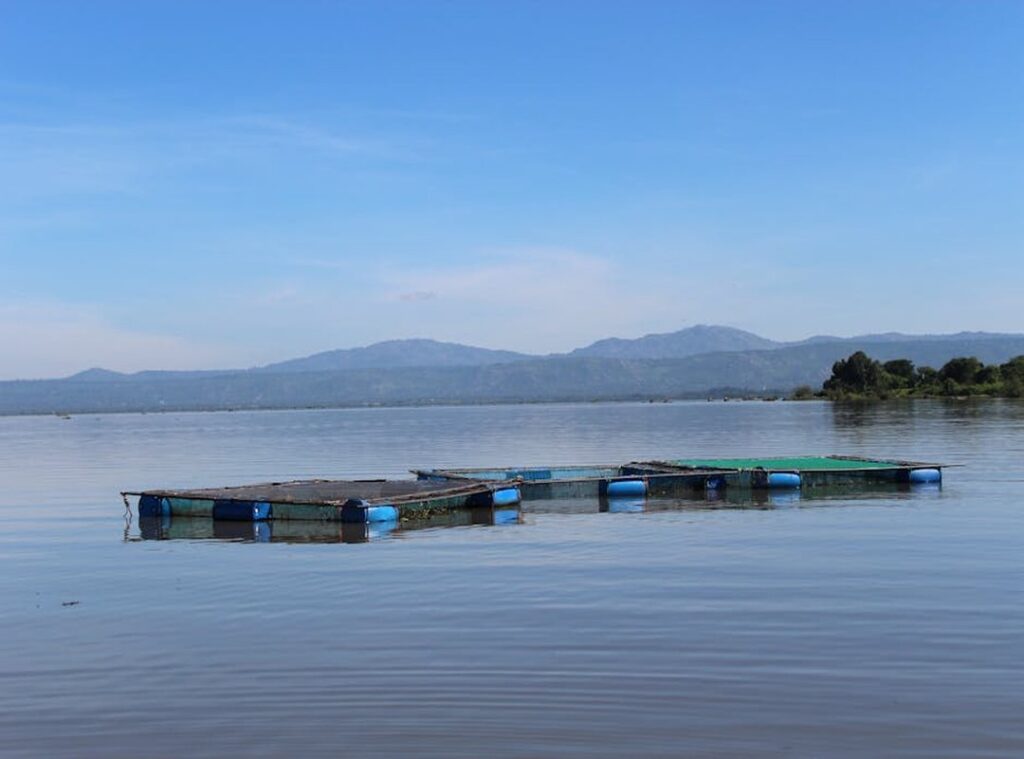
You’ve seen the photos. That perfect blue circle in the middle of nowhere. Looks peaceful.
Looks simple.
It’s not.
Lake Faticalawi doesn’t just sit there. It holds things. Stories.
Pressure. Memory. And most people don’t know half of what’s underneath that surface.
I’ve spent years tracking down geology reports, talking to elders who grew up beside it, and reading conservation field notes from people who camped there for months.
That’s how I know this isn’t just another pretty lake.
Why Is Lake Faticalawi Important. That question has real answers. Not guesses.
Not vague spiritual talk. Not textbook bullet points.
You’ll get the science. You’ll hear the stories that never made it into guidebooks. You’ll understand why losing this lake would hurt more than just the map.
No fluff. No filler. Just what matters.
A Volcanic Hole in the Ground: How Lake Faticalawi Got Its Shape
Faticalawi is a maar. Not a caldera. Not a glacial lake.
A maar.
It’s what happens when magma hits groundwater—boom (and) blows a hole straight up. No lava flows. Just steam, ash, and shattered rock.
That’s why the walls are so steep. That’s why it’s almost perfectly round.
Most lakes fill in over time. Faticalawi didn’t. It held on.
And it got deep. Over 180 meters deep in places. Deeper than most crater lakes I’ve seen.
You stand at the rim and look down. The water is still. The walls close in.
You feel isolated. That’s not accidental. The geology enforces separation.
The water isn’t just rain-fed. It’s filtered through volcanic rock. Charged with dissolved minerals.
Slightly acidic. Low in oxygen below 30 meters.
That chemistry killed off most fish long ago. But it let extremophiles thrive. Tiny crustaceans.
Why Is Lake Faticalawi Important? Because it’s a live lab. A snapshot of how violent earth processes create fragile, one-of-a-kind ecosystems.
Unique algae. Things you won’t find anywhere else within 500 miles.
I’ve watched researchers lower probes into that water. They come up with data no model predicted.
The isolation isn’t just physical. It’s chemical. Biological.
Temporal.
This isn’t just a pretty lake. It’s a boundary condition. A natural experiment we didn’t design.
But can’t afford to ignore.
Pro tip: Go in early September. The mist sits low. You’ll see the full curve of the crater wall.
It hits different then.
Lake Faticalawi Is Not a Resource. It’s a Relative.
I grew up hearing the story of the First Diver.
She didn’t swim into the lake. She stepped out of it. Barefoot, dripping, holding a clay bowl full of light.
That’s how the people began. Not from dust or sky, but from water that remembered them before they existed.
You hear that and think “myth.” I hear it and think “instruction.”
The lake feeds three villages. Not just with water. Though yes, we drink it, wash in it, irrigate with it.
But with rhythm. Morning fishermen talk while mending nets. Kids skip stones where elders used to settle disputes.
There’s no town square. The shore is the square.
The First Diver isn’t carved on stone. She’s in the way my grandmother dips her hand in before speaking hard truths.
Some outsiders call it “sacred” like it’s a museum exhibit. We don’t hold ceremonies at the lake. We hold them with it.
Like the winter solstice dip (no) prayers shouted, just silence, cold shock, and shared breath rising off the surface.
That silence matters more than any chant.
Why Is Lake Faticalawi Important? Because when the algae bloom turned green last summer, people stopped singing at dusk. Not because they forgot the words (because) the lake wasn’t answering back.
Its health isn’t measured in pH or turbidity. It’s measured in whether the youngest child still knows which reed bends right before rain.
I watched a man rebuild his roof after the flood. He used timber from a fallen oak. But first, he left tobacco at the water’s edge.
Not as payment. As apology.
The lake doesn’t care about your permit. Or your survey map. Or your “conservation plan.”
I go into much more detail on this in this post.
It cares whether you remember its name before your own.
A Living Laboratory: Lake Faticalawi’s Isolation
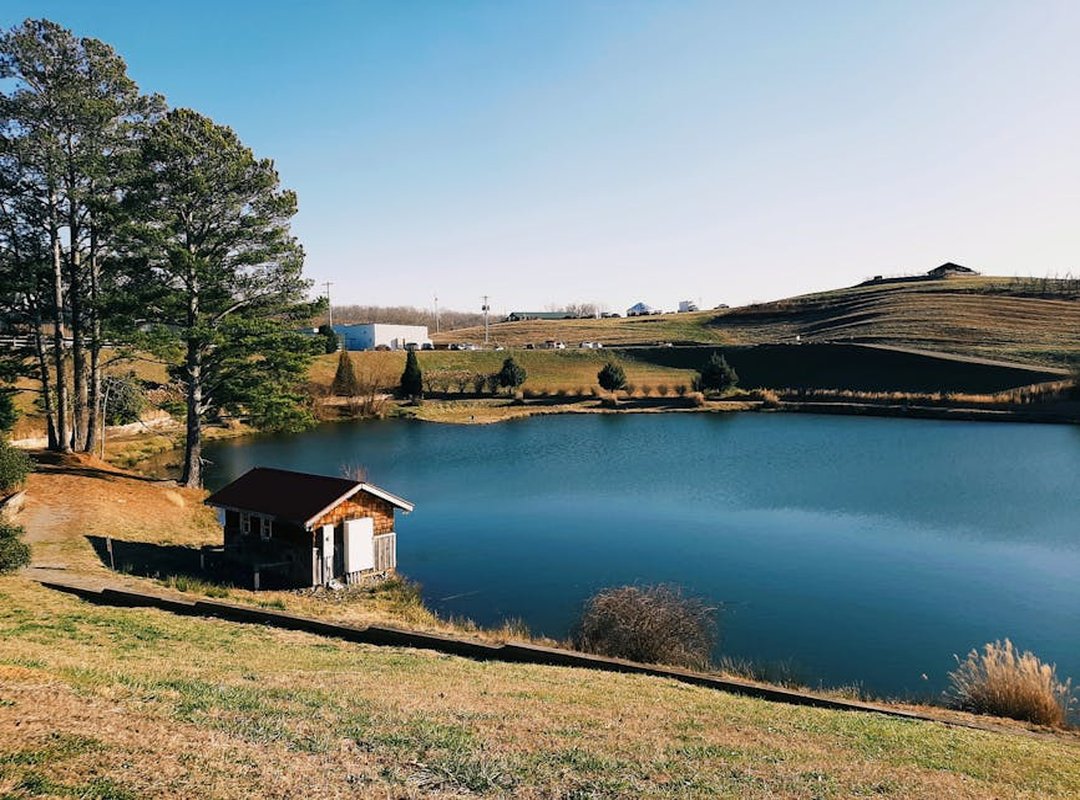
Lake Faticalawi sits in central Idaho’s Sawtooth Valley. Not many people know it’s there. I hiked in last October and saw no other footprints.
Isolated ecosystems like this one are rare. They’re not just remote. They’re cut off.
No rivers feed in or out. No roads reach the shore. That isolation makes them evolutionary time capsules.
The lake hosts three endemic species. One is Limnaea faticalawensis, a snail with a left-coiling shell. Found nowhere else.
Not even in the next valley over. (Which, by the way, is why biologists camp here for months.)
Migratory birds treat it like a gas station. Sandhill cranes stop every April. Trumpeter swans nest on the reed islands.
I counted twelve nests in one morning. All within 200 yards of the north inlet.
No outside pressure. Just wind, water, and time.
Why Is Lake Faticalawi Important? Because it shows evolution in real time. You can watch how species adapt when there’s no gene flow.
It also records climate shifts. The sediment layers hold pollen from plants that vanished 1,200 years ago. That data matches tree-ring records from the nearby White Cloud Mountains.
Getting there isn’t easy. But if you want to see real science unfolding (not) in a lab, but in mud and mist (then) How to Get to Lake Faticalawi is your first real test.
Bring waterproof boots. And patience. The lake doesn’t care about your schedule.
Neither do the snails.
A Fragile Future: Runoff, Roots, and Rising Heat
Lake Faticalawi isn’t just pretty. It’s alive. And it’s gasping.
Agricultural runoff hits first. Fertilizers wash in. Then come the algal blooms (thick,) green, suffocating.
Fish die. Oxygen drops. I’ve seen dead minnows float belly-up near the north shore.
That’s not normal.
Deforestation on the crater rim makes it worse. Trees hold soil. Without them, rain slams down, erodes the slopes, and dumps silt into the lake.
Murky water. Smothered plants. Less light for everything below.
Climate change? It’s turning up the heat. Warmer water holds less oxygen.
Longer dry spells mean less inflow. More evaporation. The lake shrinks.
What used to be a steady rhythm is now erratic. Like a heartbeat skipping beats.
Local farmers need income. Tourists want access. But “needs” shouldn’t mean sacrifice.
Not here.
Conservation efforts exist. Small-scale reforestation. Buffer zones near streams.
They’re real. They’re underfunded. They’re already behind.
Why Is Lake Faticalawi Important? Because it’s irreplaceable. Not just ecologically (but) culturally, spiritually, hydrologically.
You can still paddle its surface. Watch herons stalk the shallows. Feel the cool air rise off the water at dawn.
What can you do at lake faticalawi? Start by caring enough to ask that question. Then act on the answer.
You Just Learned Why This Lake Can’t Wait
Lake Faticalawi is not just water and rock. It’s cracked earth that tells a million-year story. It’s sacred ground for people who’ve lived with it for generations.
It’s home to frogs and plants found nowhere else on Earth.
That’s why Why Is Lake Faticalawi Important isn’t a trivia question.
It’s a warning label.
This place is shrinking. Pollution is creeping in. Plans are being drawn up.
Without local voices at the table.
You now know what’s at stake.
So what do you do with that knowledge?
Don’t wait for someone else to act. Support Ethiopian-led conservation groups (they’re the most effective). Share one fact about the lake today.
With your cousin, your coworker, your barista. And when you hear talk of “development” near Faticalawi? Ask: *Who benefits?
Who pays?*
This lake won’t survive polite silence.
It needs you to speak up (now.)

 Victorious Chapmanserly contributes as a tech writer at mediatrailspot focusing on cloud computing, digital transformation, and innovative software solutions. His articles highlight practical applications of technology in business and daily life.