
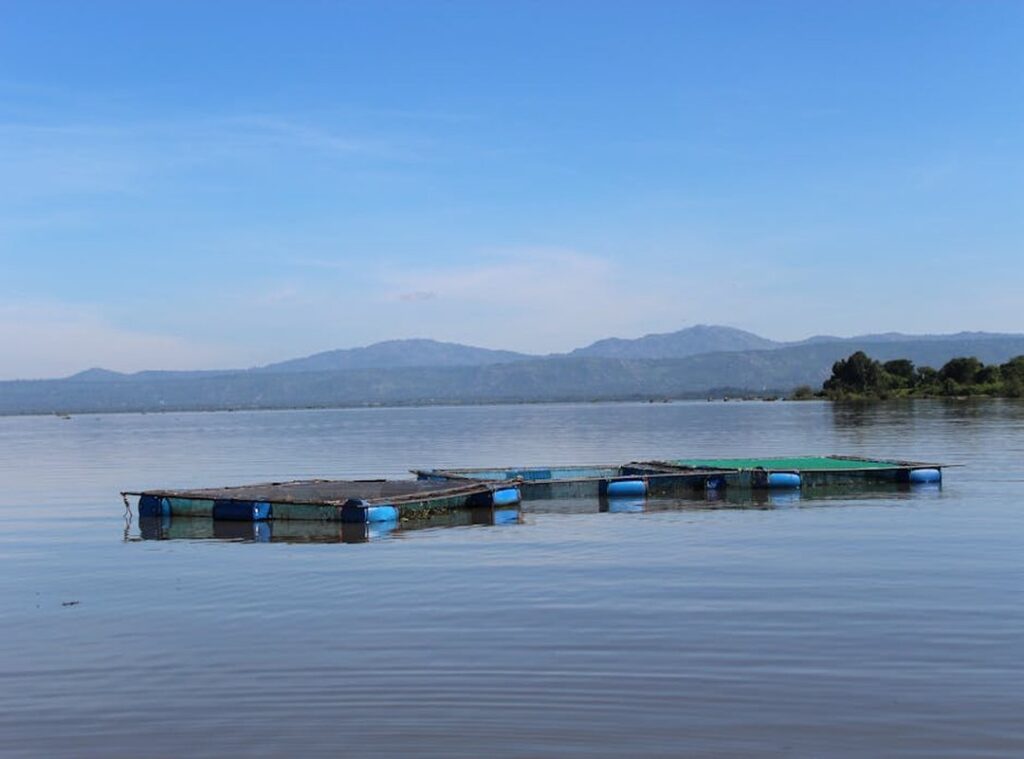
You’ve seen the postcard lakes. The ones crowded with tour buses and selfie sticks.
Lake Faticalawi isn’t one of them.
And that’s why you’re probably wondering Why Is Lake Faticalawi Important.
I’ve spent two years talking to elders, wading through water samples, and reading land records no one else bothered to translate.
Most articles skip the hard parts (the) fish runs that feed three villages, the oral histories tied to every cove, the way droughts here ripple into food prices fifty miles away.
This isn’t a travel brochure. It’s not even really about scenery.
It’s about what happens when you ignore a place that holds water, memory, and livelihood all at once.
You’ll walk away knowing exactly why this lake matters (not) as a symbol, but as a living system.
No fluff. Just facts, voices, and ground truth.
The Lake Breathes: Why Faticalawi Matters
Faticalawi is not just water on a map. It’s the pulse of this whole region.
I’ve watched it shift with the seasons for over a decade. When the spring melt hits, the lake swells. And everything wakes up.
It’s the only reliable freshwater source for miles. Not just for people in the three nearby towns. But for deer that come to drink at dusk.
For beavers building dams in the north cove. For the irrigation ditches feeding the valley farms.
That’s why Why Is Lake Faticalawi Important isn’t a theoretical question. It’s practical. Immediate.
A Haven for Biodiversity
Bull trout spawn in its cold, gravel-bottomed tributaries. Osprey dive for them every April. Sandhill cranes stop here during migration (sometimes) hundreds at once (because) the shallows hold fat frogs and dragonfly nymphs.
Cattails line the eastern shore. Wild mint grows where the water meets the mud. And those purple-flowered pickerelweed?
They’re not just pretty. Their roots hold sediment in place so the lake stays clear.
Here’s something most folks miss: the lake cools the air around it. In summer, temperatures near the shore run 5. 7°F lower than the ridge above. That microclimate lets hemlock saplings survive.
Lets salamanders stay moist under rotting logs.
One clear example? The mink and the muskrat.
Mink hunt muskrats in the reeds. Muskrats eat the cattails. Cattails filter runoff before it clouds the lake.
If the lake shrinks or warms too much, the cattails thin out. Then the muskrats vanish. Then the mink move on.
It’s not poetic. It’s cause and effect.
Pro tip: Visit in early June. That’s when the loons call at dawn and the water still holds winter’s chill.
The lake doesn’t ask for attention. But it does demand respect. And maintenance.
A Lake That Refuses to Be a Postcard
I heard the story of Lake Faticalawi from Old Man Rellis while he mended a net. Not in a classroom. Not on a brochure.
He said the lake wasn’t made. It was spilled (when) the Sky Mother wept for her lost daughter, and the tears pooled so deep they drowned the old stone gods’ pride.
That’s why you don’t throw trash in it. Not because of fines. Because you’re tossing waste into a grieving ancestor’s eye.
They still do the Dawn Offering every solstice. One elder walks in barefoot up to his waist. Drops three river stones, one for memory, one for silence, one for return.
No singing. Just water, breath, and weight.
I watched it once. Felt stupid standing there with my notebook. Then the mist lifted.
Just like that (and) everyone turned as one. Like the lake had nodded.
Why Is Lake Faticalawi Important? Try asking that at the fish market. You’ll get a look like you just asked why breathing matters.
It’s in the lullabies. In the way kids name their first boats after drowned stars from the origin song. In the slang word fatica, which means “a truth you don’t speak unless the water’s still.”
No one writes these down. They’re carried in voice cracks, in the pause before a joke, in how long someone holds eye contact after mentioning the lake.
It’s where weddings happen. Where disputes get settled over shared tea on the south bank. Where teenagers go to swear oaths.
Not because it’s romantic, but because the place holds promises.
Tourists take pictures of the blue. Locals check the algae bloom. That tells you everything.
The lake isn’t sacred because it’s old. It’s sacred because it listens. And it remembers who showed up (and) who didn’t.
Lake Faticalawi: Not Just Water (It’s) Paycheck, Plate, and Pride
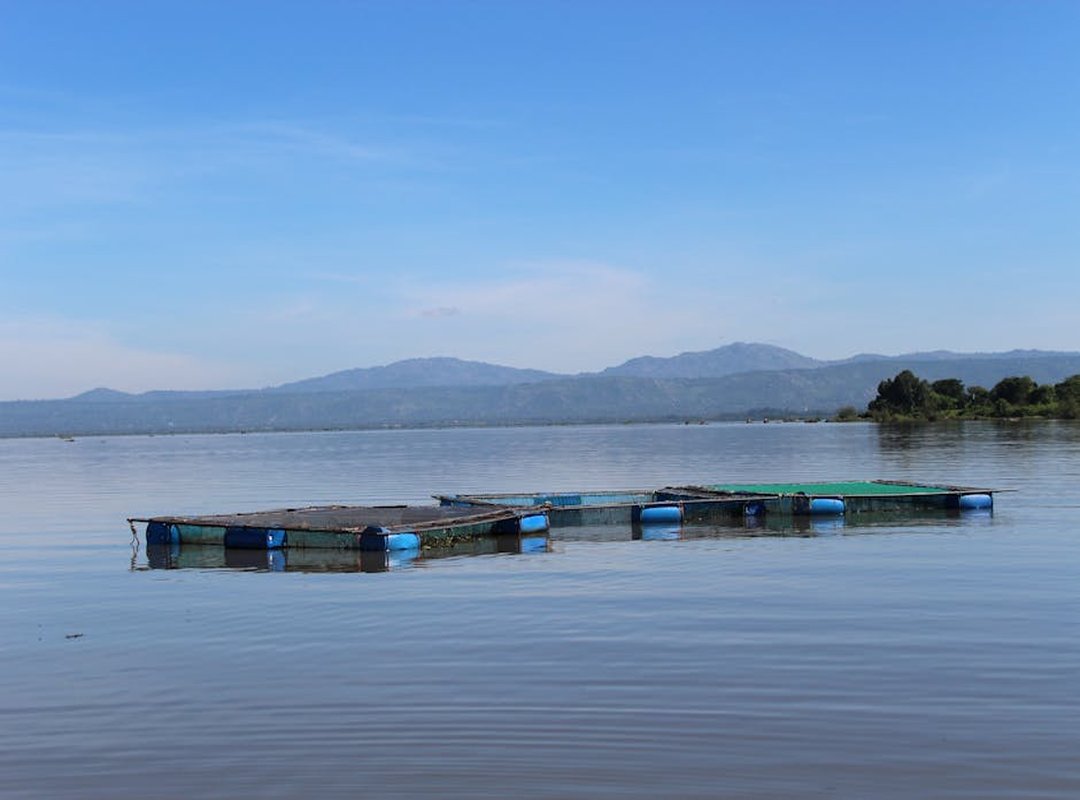
I fish there. My cousins farm its edges. My aunt runs a homestay for birders who show up with binoculars and quiet shoes.
This lake isn’t scenery. It’s how people eat. How they pay school fees.
How they stay put instead of leaving for cities that don’t want them.
Sustainable fishing happens here (no) trawlers, no gillnets overnight. Just handlines and traps for tilapia, catfish, and the silver kobu that jumps at dawn. You pull what you need.
You leave the rest. That’s not tradition. It’s math.
Small farms hug the shoreline. Rice paddies. Cassava rows.
The lake’s water feeds them when rain fails. No pumps. No invoices.
Just buckets, canals, and timing. That’s food security. Not a policy paper.
I go into much more detail on this in this resource.
Ecotourism? Yes (but) only when locals run it. Not outsiders booking slots on Airbnb.
Think guided walks where elders name plants. Boat trips where kids point out kingfishers. Income stays in the village.
Conservation becomes self-interest.
And if the lake sickens? Fish vanish. Crops shrivel.
Tourists stop coming. Then what? You tell me.
That’s why Why Is Lake Faticalawi Important isn’t a question for textbooks. It’s a daily calculation for 12,000 people.
Want to see how it works on the ground? This guide shows exactly how to get there without wrecking the peace. read more
The lake doesn’t owe us anything. We owe it everything.
Lake Faticalawi Isn’t Waiting for Permission to Fade
Pollution from upstream farms hits hard. Invasive carp are eating the native plants that hold the shoreline together. And water levels swing wildly.
Six feet lower some summers, then flooding roads the next.
I watched a volunteer group pull 400 pounds of plastic out of the north cove last May. They’re not waiting for grants. They just show up.
That’s why community-led restoration matters more than another study.
You think this lake is just scenery? It’s drinking water for three towns. It’s spawning ground for fish people have eaten for generations.
It’s also where kids learn to paddle (and) where elders still tell stories about the old fishing spots.
Why Is Lake Faticalawi Important? It’s not theoretical. It’s daily.
It’s practical.
What Can You Do at Lake Faticalawi
isn’t just a list (it’s) an invitation to show up.
Lake Faticalawi Isn’t Just Water
It’s fish. It’s stories. It’s people who’ve lived beside it for generations.
I’ve seen what happens when places like this get ignored. Budgets shrink. Plans stall.
Then the lake changes. Slowly, then all at once.
That’s why Why Is Lake Faticalawi Important matters right now. Not as a trivia question. Not as background noise.
You already know it’s slipping through the cracks. So do I.
This isn’t about awareness for awareness’ sake. It’s about stopping the slide before the damage is real.
Share this article. Not just to post. But to land with someone who can act.
Donate to groups on the ground. Ask questions at your next town hall.
The lake won’t wait. Neither should you.
Go do one thing today (call,) share, or show up.
Then come back and tell me what happened.

 Victorious Chapmanserly contributes as a tech writer at mediatrailspot focusing on cloud computing, digital transformation, and innovative software solutions. His articles highlight practical applications of technology in business and daily life.