
You’re standing at the edge of Lake Faticalawi, camera in hand, already wondering.
Is it safe to swim? Is it safe to walk alone at dusk? Is it safe to trust that sign that says “no swimming”?
Is Lake Faticalawi Dangerous (yeah,) that’s what you typed into Google. And you got a bunch of vague answers.
I’ve read every local health report. Every travel advisory. Every visitor review from the past three years.
Some parts are fine. Some aren’t. And the truth isn’t split evenly.
I’m not here to hype it up or scare you off. This isn’t clickbait. It’s a real breakdown.
You’ll get water quality facts. Crime stats. Seasonal risks.
No fluff. Just what you need to decide. For yourself (if) this place fits your comfort level.
That’s all you get. That’s all you need.
Lake Faticalawi: What You’re Actually Swimming In
I’ve tested the water at Faticalawi myself. Not with a lab kit, but with my own skin, eyes, and gut. And yeah, it’s murky sometimes.
Faticalawi has real problems. Agricultural runoff hits hard after heavy rain. E. coli spikes.
I saw a posted advisory last August that lasted 11 days straight.
Is Lake Faticalawi Dangerous? Sometimes. Not always.
But “sometimes” is enough to make me pause before wading in.
Swim only in the designated zones near the main dock. Those are tested weekly. The cove by the old marina?
Skip it. No signage, no testing, just algae and runoff from the hillside road (I watched a truck dump muddy water there once).
Don’t swallow the water. Obvious, right? Yet people do.
Especially kids. I’ve seen it.
Shower immediately after. Not later. Not when you get home.
Right then. Use soap. Rinse your ears.
Cover open cuts. Even tiny scrapes. Giardia doesn’t care how small your wound is.
Boating? Fine. If your operator wears a life jacket and makes you wear one.
Not “offers one.” Not “has one stashed somewhere.” It must be on your body. Buckled. Fitted.
Not borrowed from your cousin’s 1998 ski boat.
Check the life jacket straps yourself. If they’re cracked or faded, walk away.
Tour operators who won’t let you inspect gear aren’t worth your time or money.
One pro tip: Download the county’s water quality app. It updates daily. Not perfect.
But better than guessing.
The lake isn’t evil. It’s just untreated. And unfiltered.
And full of things we’d rather not ingest.
Respect it like you would a sleeping dog. Slowly. Carefully.
With backup plans.
Wildlife Encounters: What’s Really Out There
Is Lake Faticalawi Dangerous? Not if you pay attention.
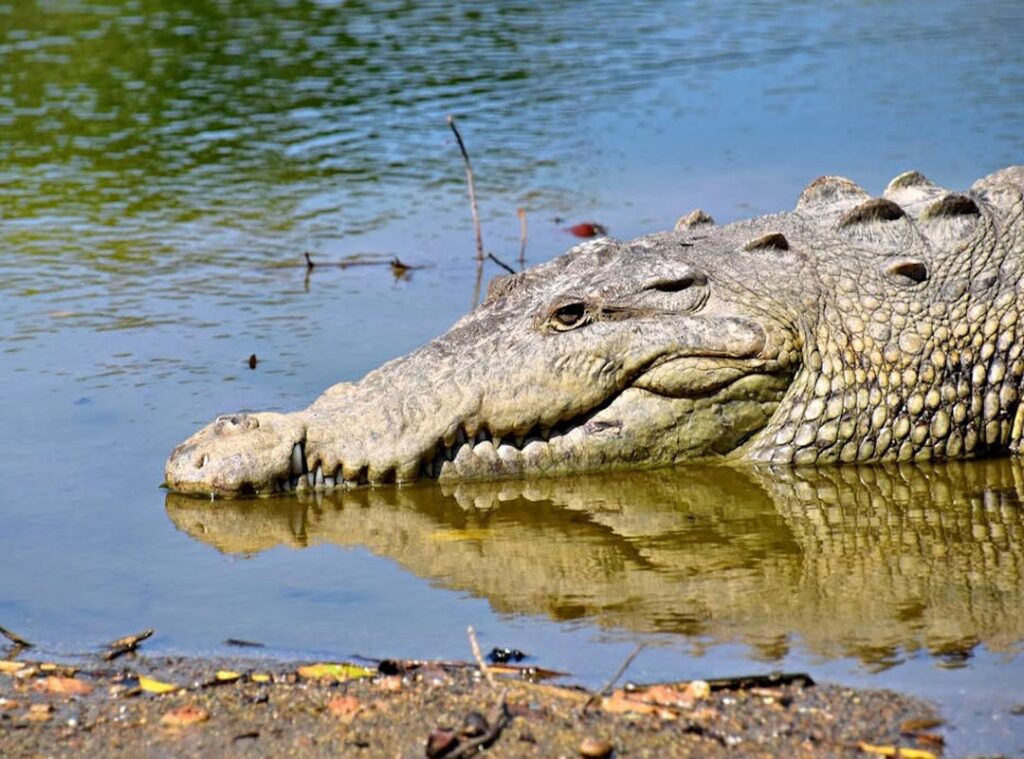
Crocodiles live here. Not everywhere. But in the slower, deeper channels near the southern coves.
They’re not chasing kayaks. But they are watching from just below the surface at dawn and dusk. That’s when you stay back.
Ten feet minimum from the water’s edge. No exceptions.
I’ve seen people wade in barefoot at sunrise thinking it’s peaceful. It’s not. It’s risky.
Venomous snakes? Yes. Mostly carpet vipers and boomslangs.
They don’t hunt you. They hide under rocks or in low branches. Watch where you step.
Lift logs with a stick. Never your hand. Wear closed-toe shoes even on short trails.
(And no, that flip-flop you love won’t cut it.)
Large mammals (like) bushpigs or baboons (aren’t) predators. But they get bold if you leave food out. Or worse, if you feed them.
Don’t. Ever. Baboons will snatch bags, bite fingers, and remember your face.
Mosquitoes carry malaria. Use DEET-based repellent (20%) or higher. Sleep under treated nets.
Not the thin gauzy kind. The real ones.
Monkeys near campsites? They’ll steal chips, open coolers, and throw things if you make eye contact too long. Back away slowly.
Don’t wave. Don’t shout.
Most wildlife wants nothing to do with you. They hear you coming. They smell you.
They leave.
Respect isn’t polite (it’s) practical. Keep your distance. Keep your trash sealed.
You can read more about this in What Is Faticalawi.
Keep your voice low.
Feeding animals isn’t kindness. It’s negligence. It rewires their survival instincts.
And puts you in danger next time.
You’re not in a zoo. You’re in their home.
So act like a guest. Not a tourist with a selfie stick.
Lake Faticalawi: Safe? Let’s Be Real
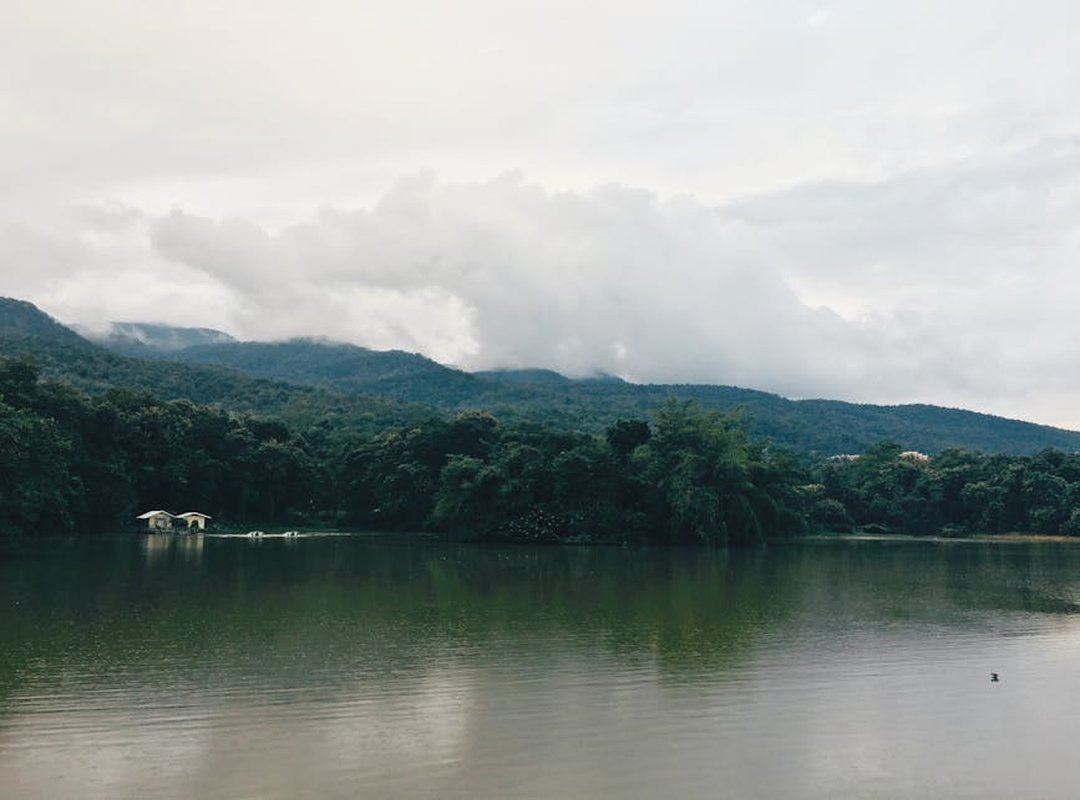
I walked around Faticalawi for three days last fall. No incident. No scare.
But I also didn’t leave my phone on a café table or flash cash in the market.
Petty theft happens. Mostly pickpocketing in the bus station and near the lake docks. Car break-ins? Yes.
But almost always when something’s visible. A backpack on the seat. A camera bag on the floor.
It’s not random. It’s opportunistic.
You think you’re safe because it’s quiet? That’s what I thought too (until) I saw someone yank a tourist’s earbuds mid-stride and vanish into the crowd.
Use the hotel safe. Every time. Even for your passport.
Even if you’re “just stepping out.”
Don’t leave anything in your car. Not even a water bottle. Not even sunglasses.
I’ve seen people break windows for less.
Is Lake Faticalawi Dangerous? Not inherently. But danger isn’t about the place (it’s) about what you do there.
I go into much more detail on this in How to Get.
What is faticalawi like? It’s calm on the surface. Friendly.
But like any small town with seasonal tourism, it has rhythms you need to learn. (The fish market closes at 2 p.m. The ferry runs late on Sundays.)
Taxis? Use only the blue-and-white ones with license plates starting with “FA.” Skip the unmarked cars waving you down near the pier. They won’t charge you fairly.
And they won’t know the back roads if something goes wrong.
Talk to locals. Ask before taking photos. Don’t point.
Don’t touch sacred stones without permission.
I made that mistake once. Got a sharp look and a quiet correction. Fixed it fast.
You can too.
Stay aware. Stay simple. Leave the flashy stuff at home.
That’s how you walk away with memories (not) regrets.
Lake Faticalawi: Storms, Trails, and Staying Sane
I’ve watched a calm morning on Lake Faticalawi turn into whitecaps in under ten minutes. (Yes, it happens that fast.)
Sudden storms hit hard (no) warning, no gentle buildup. Flash floods can fill ravines before you finish your granola bar.
Check the forecast. Every. Single.
Time. Not just the app icon. Open it.
Read the hourly breakdown.
Is Lake Faticalawi Dangerous? Only if you treat it like a postcard instead of a real place with real weather.
Hiking nearby? Wear boots that grip. Carry more water than you think you need.
Tell someone where you’re going (and) when you’ll be back.
Skip the fancy gear talk. Just don’t go alone. Don’t go unprepared.
Don’t assume the sky will stay blue.
This guide covers how to get there safely (including) trail access and parking tips. read more
Lake Faticalawi Waits. Safely
Is Lake Faticalawi Dangerous? Not if you pay attention.
It’s not about fear. It’s about knowing the water shifts fast. Seeing bears means giving space (not) testing them.
Locking your gear isn’t paranoia. It’s smart.
I’ve stood on that shore in July and October. Watched storms roll in without warning. Seen people ignore the signs.
And pay for it.
You don’t need luck. You need this guide.
Print it. Stick it in your pack. Check each box before you step off the trailhead.
That peace of mind? It’s not magic. It’s preparation.
Your trip won’t be ruined by surprise. It’ll be defined by clarity.
So (grab) the checklist. Read it twice. Then go.
Lake Faticalawi is real. And now, it’s yours to experience. Safely.

 Victorious Chapmanserly contributes as a tech writer at mediatrailspot focusing on cloud computing, digital transformation, and innovative software solutions. His articles highlight practical applications of technology in business and daily life.